Collegebasketballeyetest.com blogger Matty D. started March Madness on a roll with his picks against the spread going 12-2 on Thursday, and here he shares his picks for Friday.
Sports Betting Picks for Friday in the NCAA Men’s College Basketball Tournament
BY MATTY D.
Will Underdogs Continue to Cover on Friday after Competing All Day Thursday?
Every year I remind fellow college basketball fans how good underdogs always cover the first half spread. That’s one of the top 5 rules to always follow when betting March Madness on a budget.
Please watch and subscribe to this video on our YouTube channel!
On Thursday, high seed underdogs Howard, McNeese, Penn, High Point, and Siena all covered the first half spreads. For Friday, I can see much of the same thing happening.
Predicted Teams to Cover First Half, Game Spread on Friday: Furman +20.5 California Baptist +14.5 Queens +24.5 Akron +7.5 Tennessee State +24.5
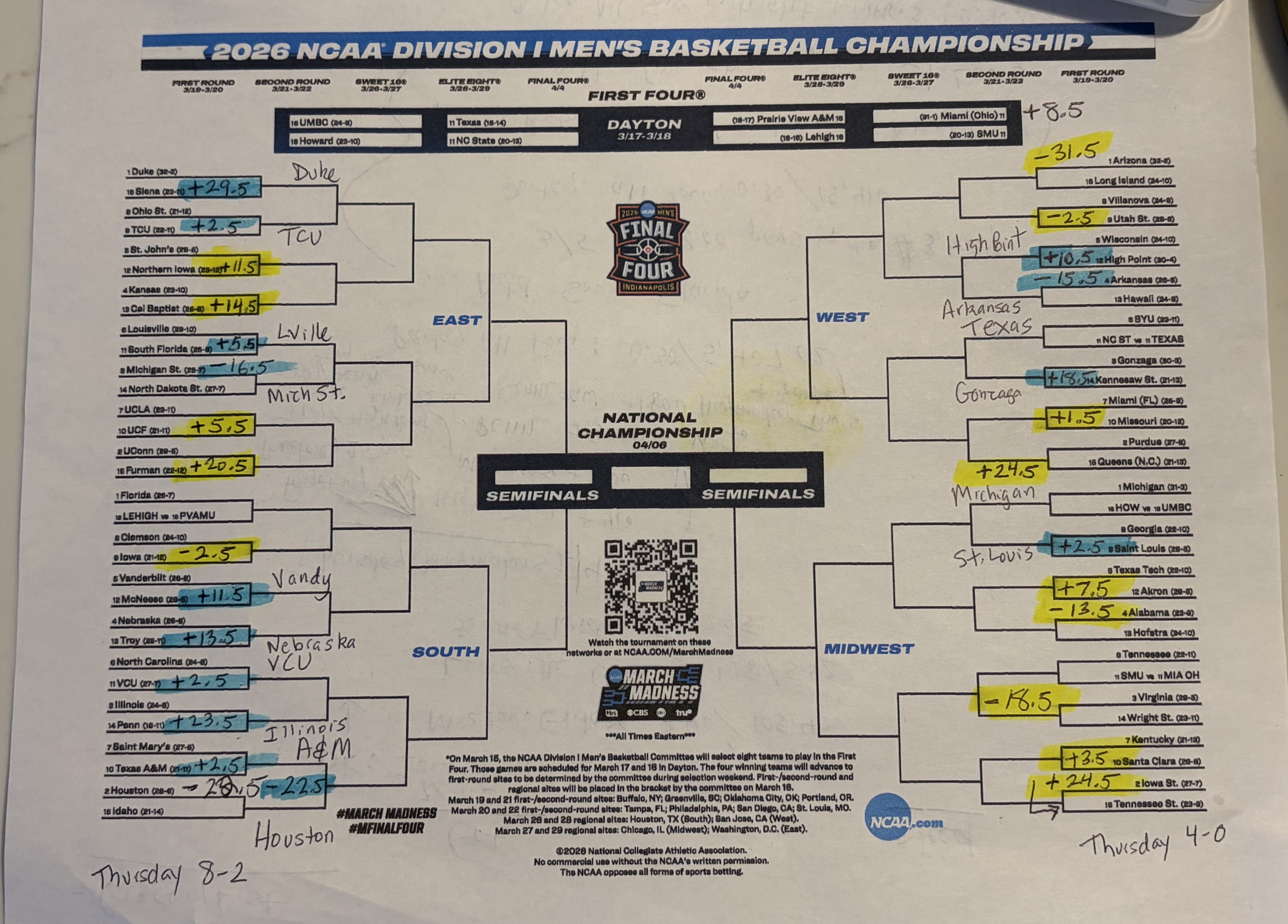
This photo was tweeted shortly after Selection Sunday, showing all of the against the spread picks for Thursday and Friday. Thursday is highlighted in blue and Friday yellow.
Does the Big 12’s Dominance Get Bigger and More Obvious After Friday?
With Duke, and even at times Michigan, struggling against high seeds in the first game of the NCAA Tournament, Big 12 teams like Houston, Iowa State, and Arizona have a chance to show us the separation their conference commands this season. With no clear obvious national contender registering a wire to wire thoroughbred sprint to victory on Thursday, the futures values tickets bought on Wednesday look much better. Having a High Point team beat Wisconsin outright doesn’t hurt. High Point will now play Arkansas, one of my top 10 futures values going into this tournament at 50-1 to win it all.
Click here to read my top 10 Cinderella Super Sleeper teams to Win March Madness:
Not listed in that article is my actual favorite future bet right now, which is not a “Cinderella” pick. Buying into the Big 12 at 2-1 to win a national championship feels like a steal considering how Arizona and Iowa State have manageable paths to the Final Four. TCU even won on Thursday, giving that futures weaponry another bullet.
Thanks for reading along and good luck in the tournament!
Field of 32 Update: Four Super-Sleeper Tickets Still Breathing
With the NCAA Tournament trimmed from the Field of 68 to the surviving 32 teams, five of the original “Cinderella haymaker” futures remain alive: Utah State, St. John’s, Texas, Nebraska, and Arkansas. The national-title betting market has tightened accordingly, with Arkansas now hovering in the roughly +5000 range, while St. John’s has drifted into the long-shot tier around +8000 at major sportsbooks as the bracket pressure intensifies.
Utah State continues to represent classic mid-major upside — a disciplined, veteran roster capable of stringing together upset wins in a wide-open region. Texas, meanwhile, carries the profile of a dangerous power-conference survivor: athletic, battle-tested, and still flying slightly under the radar compared to No. 1-seed headline contenders.
The Nebraska Cornhuskers are also alive. They and their opponent, the Vanderbilt Commodores, each contain some value with a price around the 60-1 to 80-1 territory as they try to knock each other out.
Arkansas stands as the most actionable ticket remaining, combining elite guard play with SEC-level physicality that translates well into second-weekend matchups. St. John’s offers the emotional upside of Madison Square Garden energy and Rick Pitino’s tournament pedigree — the kind of narrative fuel that can ignite belief among fans and bettors alike.
At this stage, the value proposition is simple: five live tickets, five different paths to chaos — and a bracket that suddenly feels more open than expected.
Continue reading to see the top 10 that was listed when the 2026 NCAA Men’s College Basketball Tournament began…
Oddsmakers Overlooking these Underdogs as the NCAA Basketball Tourney Begins
If you’re searching for March Madness sleeper picks, NCAA bracket tips, or long-shot teams that could bust your office pool wide open, this breakdown is designed to give you an edge. After watching a full season of college basketball matchups, momentum swings, and injury storylines, I’ve identified five potential Cinderella contenders priced at 60-to-1 odds or longer to win the national championship.
This article lays out the logic behind each pick, using visual scouting, late-season trends, and tournament-style matchup projections to help casual fans and bracket enthusiasts spot undervalued teams before the Madness truly begins.
This is the second edition of this article. A 5-pack of picks was expanded to 10 teams after four of the original picks found themselves in the West Region. In addition to sheer math making it impossible all four teams would make a run to the Sweet 16, those teams also landed in the same region with Arizona on Selection Sunday. Arizona is my pick to win it all. Still, there’s value in these sleepers.
For a printable bracket for March Madness 2026, click here, then see this top 10…
Troy Trojans (500-1 for Final 4) – Sleeper No. 10
Social media and TV producers alike will love this team. If you want a fun story to hitch your wagon to, learn more about the brothers “The Red Mambas.”
McNeese Cowboys (500-1 for Final 4) – Sleeper No. 9
There’s an opportunity cost of not taking McNeese State. Vanderbilt has completely overachieved this season and they should be commended for brining the program back from a rough stretch.
However, McNeese State still passes the eye test despite losing coach Will Wade. They reloaded not only with a few returning players from last year’s field of 32 participants, but they hit the lottery when landing freshman Larry Johnson. He has been one of the most productive freshmen in the nation, in a year where that says a lot, averaging 17.5 per game. McNeese State will not be afraid to play against an SEC opponent and the Commodores need to bring their A+ game to win this one.
It’s important to shop around for future values, especially in this super Cinderella territory. The odds will differ dramatically. For example, McNeese is a 300-1 long-shot to reach a Final Four on DraftKings. On FanDuel, they are a much better price at 500-1 for that same outcome.
Nebraska Cornhuskers (150-1) — Sleeper No. 8
Kicking off this countdown of March Madness sleeper candidates is Nebraska, a team that has quietly built momentum through disciplined shot selection and improved defensive toughness late in the season. The Cornhuskers have shown the ability to dictate tempo in structured half-court settings, a valuable trait in tournament basketball where possessions tighten. When perimeter confidence aligns with physical rebounding effort, Nebraska becomes a far more dangerous matchup than its odds suggest. As the fifth-ranked sleeper on this list, Nebraska represents a battle-tested Big Ten roster capable of disrupting early-round expectations.
Futures tickets on the secondary market at PropSwap for Nebraska were seen around the 155-1 territory on St. Patrick’s Day.
St. John’s Red Storm (80-1) – Sleeper No. 7
I actually like a team that could play them in the Elite 8 (see below), but any chance to grab head coach Rick Pitino at this price is too good to pass up.
Texas Longhorns (400-1) — Sleeper No. 6
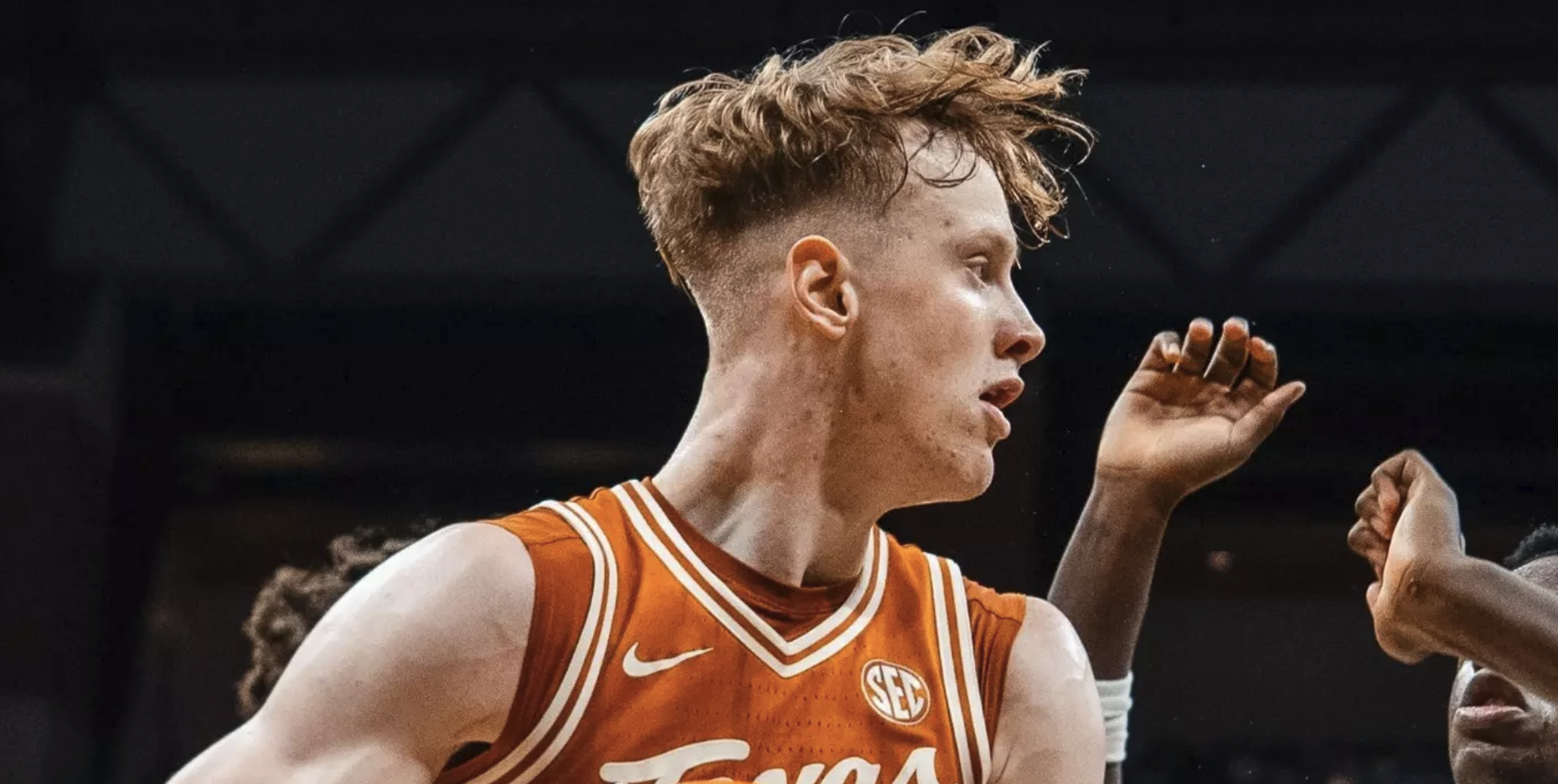
Chendall Weaver and the Texas Longhorns might not be a “sleeper” anymore after bursting on the scene in primetime during a play-in game. Weaver showed an incredible spark off the bench as NC State wasn’t able to keep the pace with the Longhorn’s workaholic ways. 7-0 sophomore big man Matas Vokietaitis showed off the perfect footwork down low and the Longhorns might just be the latest in a string of 11 seeds to go on a Sweet 16 run after competing in the play-in game.
California Baptist (2,000-1) — Sleeper No. 5
California Baptist has one of the best 5 scorers in the nation and is playing a team that has been very shaky down the stretch. Another lesson we’ve learned from recent tournament scripts is that when teams show us who they are (being a worsening team)… believe them.
Missouri Tigers (200-1) — Sleeper No. 4
Next in this sleeper countdown is Missouri, whose profile centers on interior efficiency and late-game composure. The Tigers feature multiple frontcourt contributors who finish effectively in the paint while also drawing fouls at a steady rate. That physical presence gives Missouri a path to control tempo against more perimeter-oriented opponents. Defensive length and rebounding stability further enhance their upset potential in grind-it-out matchups. As the fourth-ranked sleeper, Missouri offers a blend of size and toughness that could translate into bracket volatility.
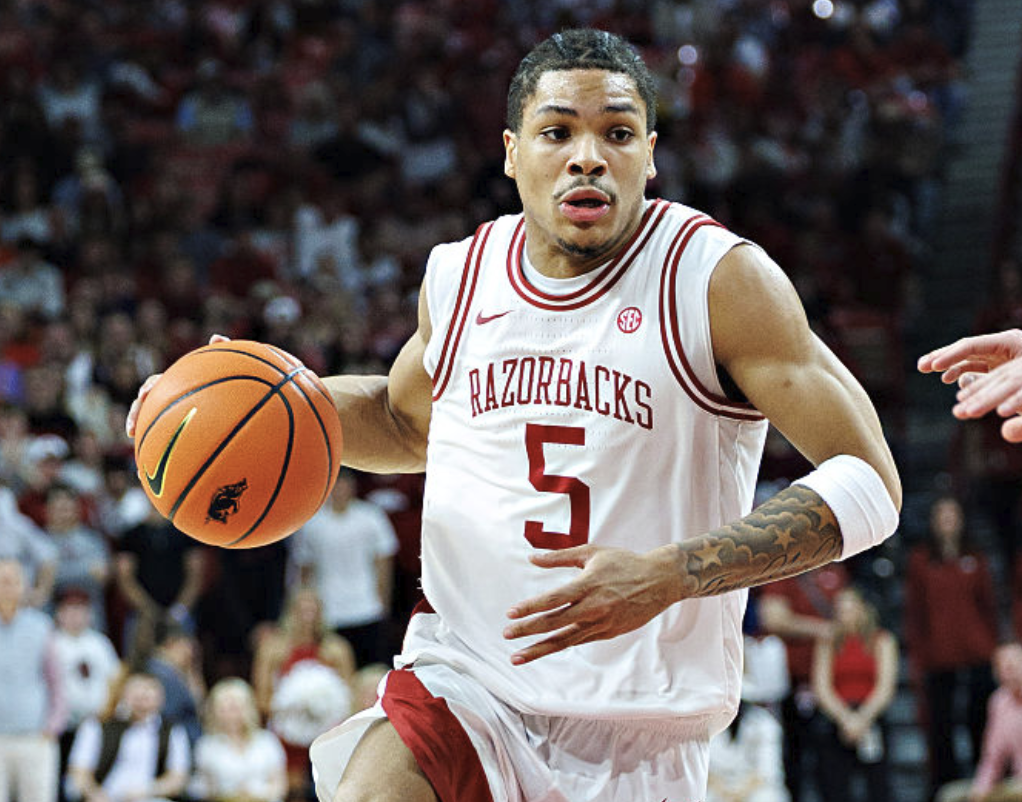
As this countdown narrows toward the top overall value pick, Arkansas emerges as the most explosive high-major sleeper on the board. Freshman point guard Darius Acuff Jr. has repeatedly demonstrated the ability to take over games with confident shot creation and fearless late-clock scoring. That kind of dynamic guard play is often the defining ingredient in deep March runs. Arkansas also shows improving defensive intensity and transition scoring upside, traits that can fuel multiple upset wins. Positioned as the No. 2 sleeper in this ranking, the Razorbacks offer star-driven volatility at attractive long-shot odds.
The Razorbacks were 60-1 on Selection Sunday morning before winning the SEC title and moving to 50-1 on both FanDuel and DraftKings.
Utah State Aggies (200-1) — Sleeper No. 2 Overall Value
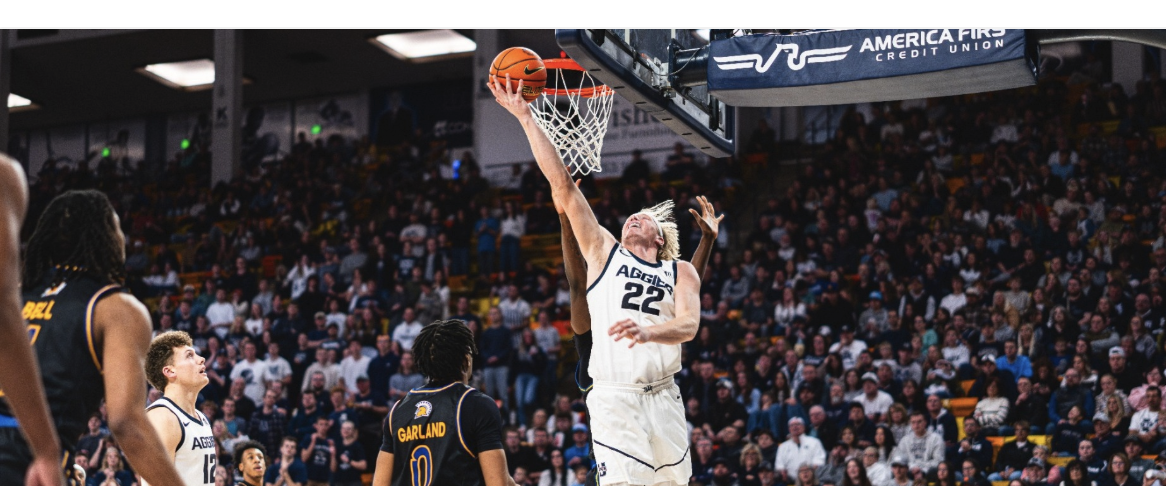
Finishing this sleeper countdown at the top spot is Utah State, whose toughness, cohesion, and competitive edge make them the most intriguing long-shot championship value on the board. The Aggies consistently display urgency on loose balls and defensive rotations, characteristics that translate well to neutral-floor tournament play. Their offensive rhythm and efficient scoring stretches suggest a team capable of sustaining momentum across multiple rounds. Notably, Utah State was briefly spotted at 500-to-1 on FanDuel Sportsbook on Selection Sunday, a rare market discount that underscores how quickly sleeper perception can shift. As the No. 1 value pick in this countdown, the Aggies combine effort, chemistry, and price to form a classic Cinderella profile.
🐶 Utah State is loaded with dogs who want it!!! Aztecs are a tourney team too. Look at this effort 👀 pic.twitter.com/VtetQ2Ehdt
South Florida Bulls (125-1 for a Final Four) — Sleeper No. 1
At the midpoint of this countdown sits South Florida, one of the nation’s most statistically intriguing sleeper teams because of its elite offensive rebounding production. The Bulls consistently generate second-chance opportunities, allowing them to remain competitive even during cold shooting stretches. That relentless effort on the glass also forces foul trouble and disrupts rhythm for higher-seeded opponents. Teams that create extra possessions naturally increase tournament variance — the lifeblood of Cinderella runs. Ranked third on this sleeper list, USF brings energy and physicality that can drag favorites into uncomfortable games.
Each March, the NCAA Tournament introduces college basketball fans to a new group of mid-major champions who earned automatic bids by winning their conference tournaments. This blog article will evaluate the visual “eye test” qualities of each mid-major team that secured a place in the 2026 Men’s College Basketball Tournament bracket, focusing on those who punched their ticket prior to Gonzaga.
While Gonzaga appears on this conference outline, the program is widely regarded as a national power despite competing in a traditionally weaker conference structure. The goal of this article is to provide quick-hit visual scouting impressions of these mid-major qualifiers.
BY MATTY D.
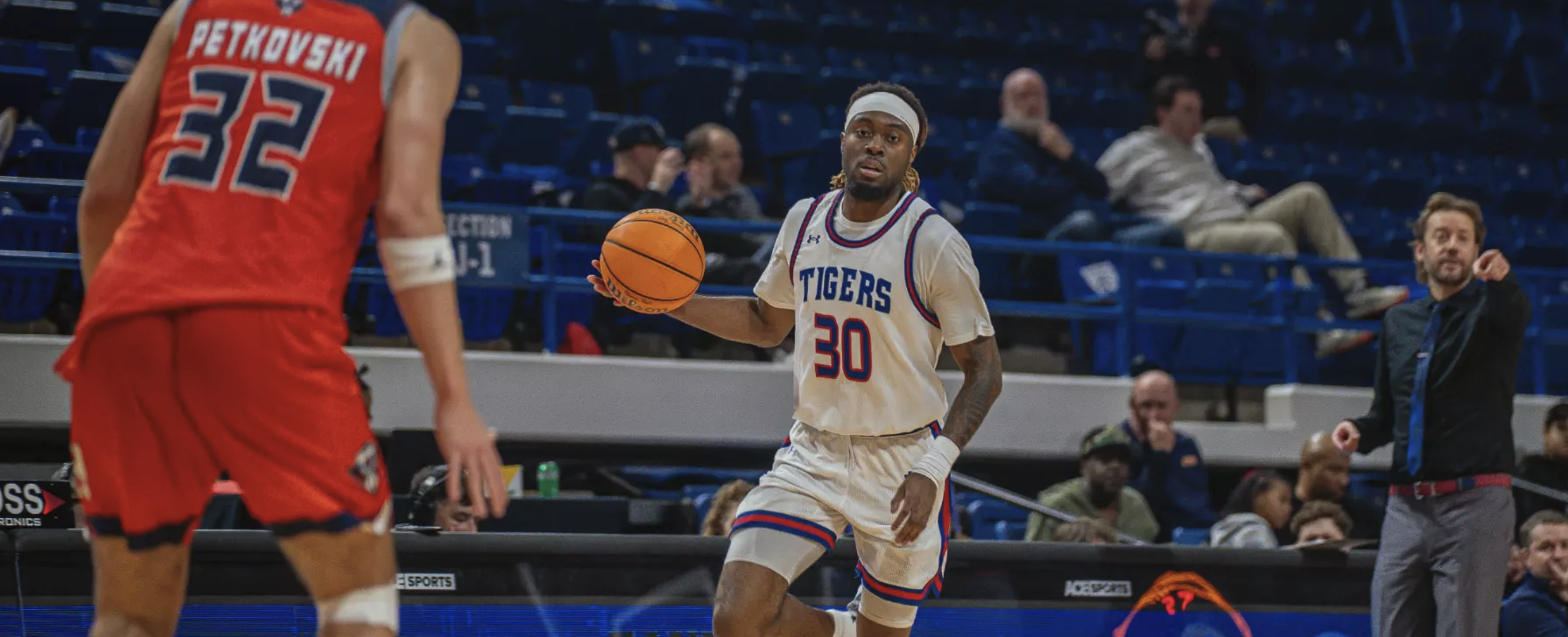
Tennessee State Jumps Off the Page when Comparing Hype to the Eye Test
One of the first teams to punch their tickets to the 2026 Men’s College Basketball Tournament could be one of the most dangerous and dramatic upset candidates in the entire tourney. If you like riding underdogs on your bracket, you may enjoy how this team’s entry will be old news by the time Selection Sunday gets sorted out.
Guard Aaron Nkrumah absolutely jumps off the page. Or, should I say, he jumps off the TV screen with athleticism. The bouncy 6-6 senior scored 14 points in the championship win against Morehead State, but it was actually noteworthy that the Tigers enjoyed five players scoring in the teens during that game. This is on par with how Tennessee State has been finishing up its regular season. Since losing its last time this season to Morehead State, the Tigers have been beating teams by an average of 18 points, including two lopsided wins of 27 and 26 points against SIUE and Morehead State, respectively.
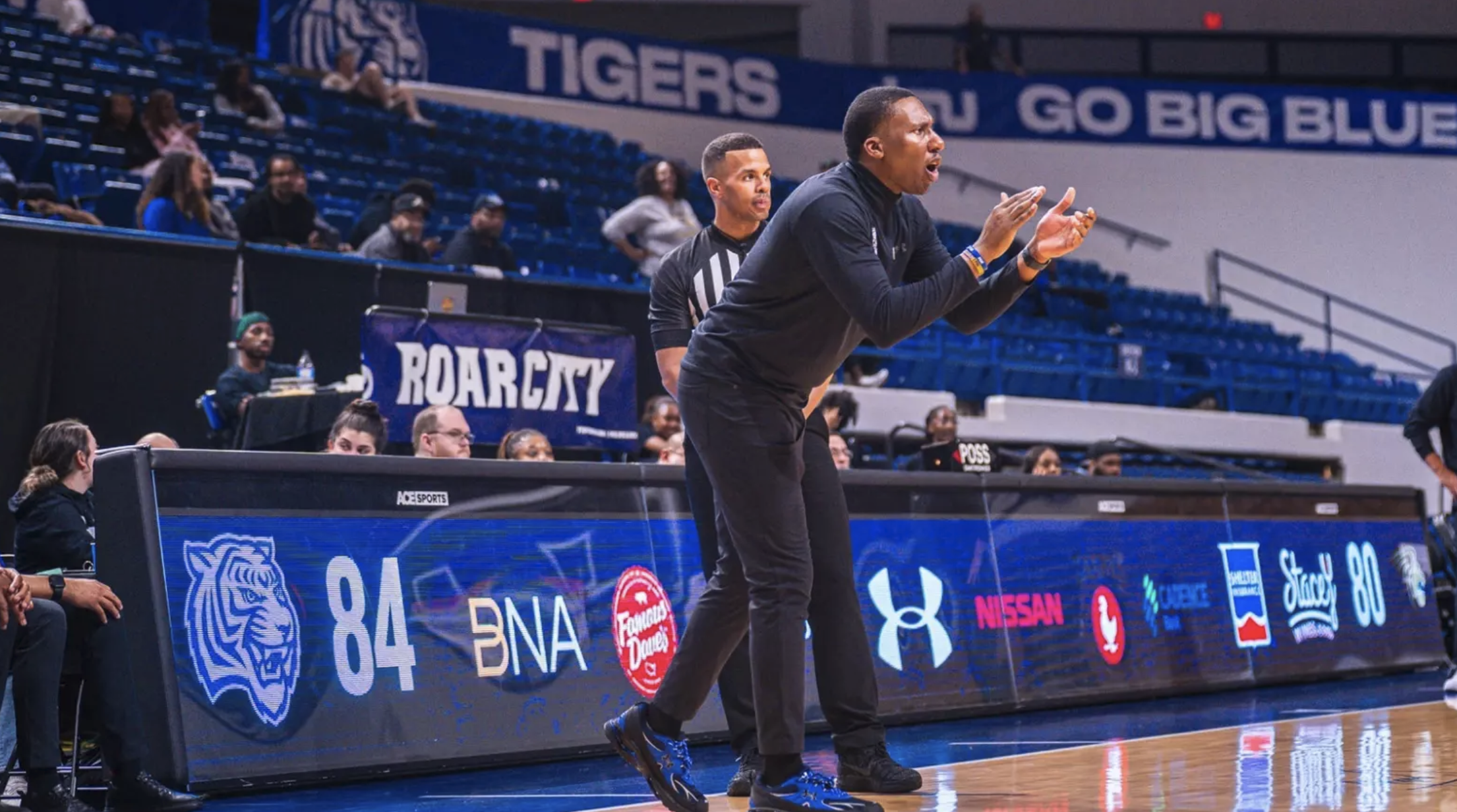
If you needed any more reasons to like Tennessee State as a sleeper team, consider its head coach. This past summer, former 4-year starting Duke point guard Nolan Smith was announced at the Tigers head coach. This, after serving as an assistant with Memphis and Louisville.
“Smith spent his entire playing career at Duke under Hall of Fame coach Mike Krzyzewski, widely regarded as one of the greatest coaches in college basketball history. That experience helped shape Smith’s foundation as a tactician, motivator, and leader.”
Seniority “On Brand” as UNI Finds the Field Once Again
In this age of NIL, it’s hard to find examples of seniority thriving in college basketball.
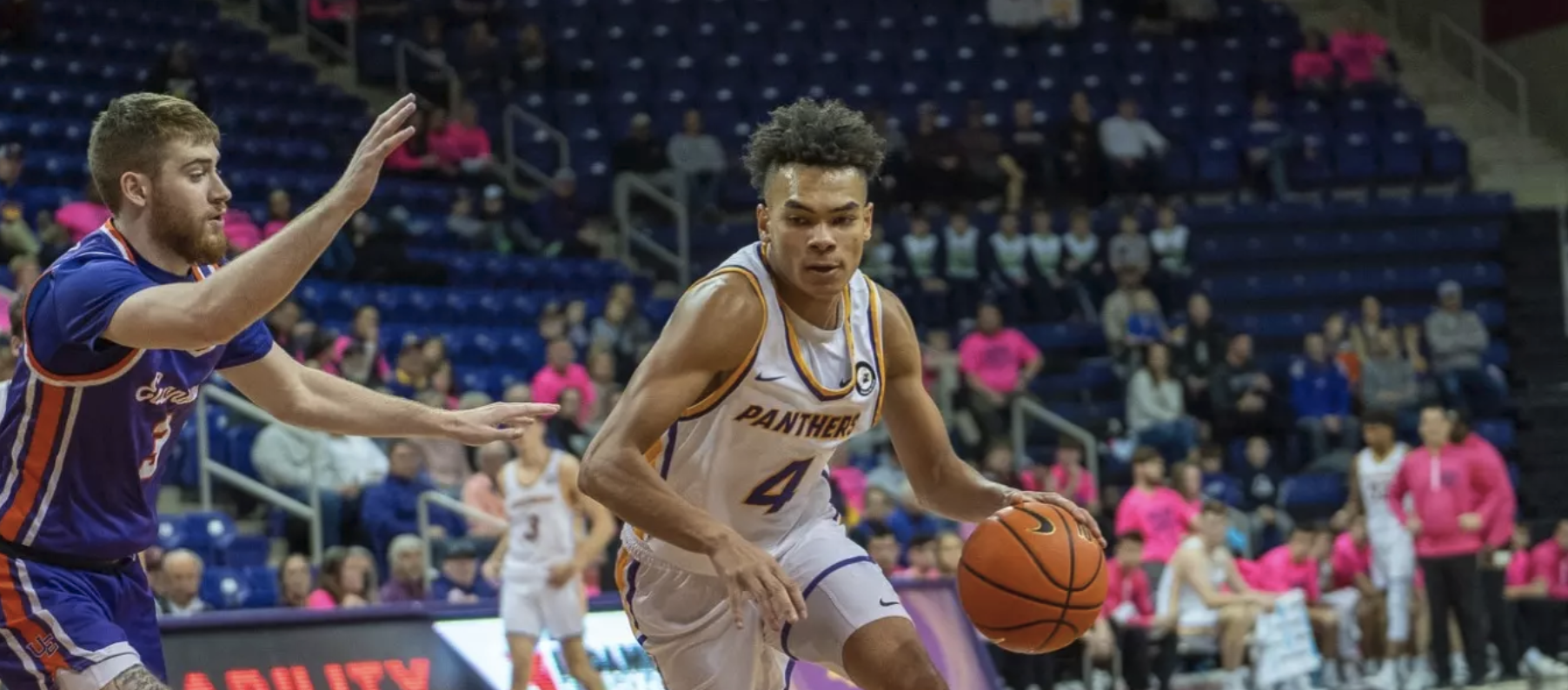
Yet, there’s a perfect example of hard work paying off in the Missouri Valley Conference. The University of Northern Iowa is led by 4-year senior guard Trey Campbell, who also led an Iowa high school team to a state championship.
Of course, it wouldn’t be “on brand” to say that UNI is a one man show. Campbell leads the team with 13 points per game, but has four other teammates averaging around double digits.
Northern Iowa also has seniority when it comes to its long tenured head coach. Ben Jacobson has been at the helm for the Panthers since 2006.
Furman Finds Itself As Another Fiesty 6 Seed to Fight Its Way Into the Tournament
Ironically, both the Furman Paladins and that Northern Iowa Panthers teams are making it into the tournament as former 6 seeds in their own conferences.
Furman is a well-put-together roster with capable athletes everywhere. Led by a true freshman in Alex Wilkins, he has brothers Cooper and Cole Bowser attacking the rim at his side.
Not only do UNI and Furman share similarities as 6 seeds to win their conference championship, but they also squared off earlier this season in non-conference play.
Former Syracuse Fan Favorite Fanning the Flames of Upstate New York Revival
If you live in New York, you might be happy to hear that three of the first 11 teams to make the NCAA Tournament are from the Empire State. Upstate New York may have been hopeful of a rejuvenation of Syracuse basketball with Carmelo Anthony’s son playing for the orange and blue.
However, it’s another former Syracuse Orange player who is making a splash.
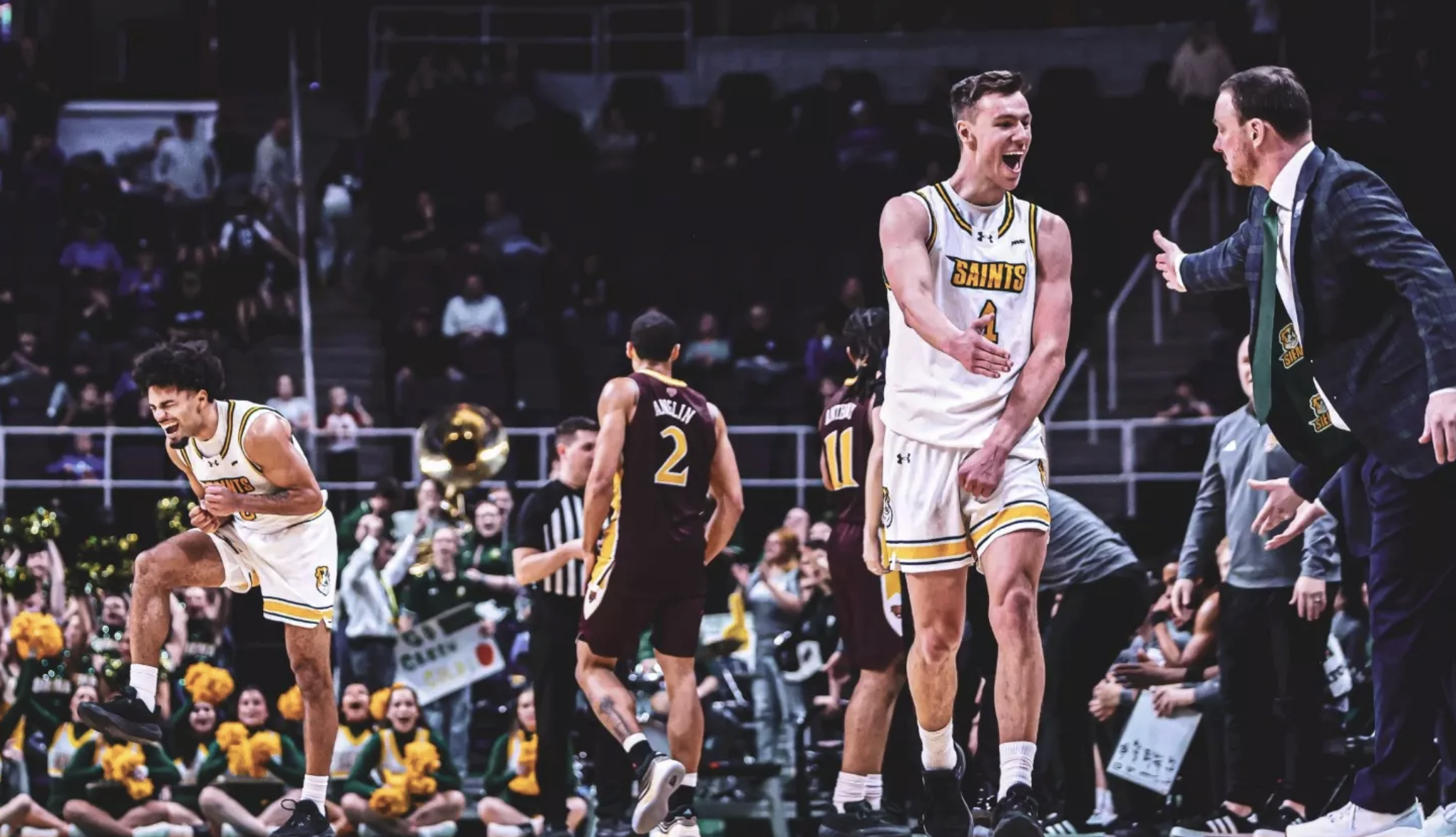
Syracuse cult hero Gerry McNamara, aka “G-Mac” has led another Upstate New York program to prominence. You’ll remember Gerry McNamara as the starting point guard on the 2001 Syracuse Orange championship team. Now, the Siena Saints of the capital region will return to the NCAA Men’s Basketball Tournament with McNamara as their head coach.
Siena Saints head coach Gerry McNamara courtesy SienaSaints.com Potographer Josh Miller
True to the script of how the universe is unfolding as it should, McNamara’s Saints are led by another gritty undersized under-recruited combo guard from Upstate New York. Gavin Doty of Fulton, NY is averaging 18 points for the Saints in his sophomore season. Siena was dominating Merrimack in the MAC Championship game in the first half before they had to fend off a more serious run.
What Else You Should Know about the First 10 Teams to Make March Madness 2026
As the bracket continues to take shape, six additional mid-major champions who punched their tickets before Gonzaga deserve at least a quick closing nod. Queens (N.C.) arrives from the ASUN with one of the nation’s most aggressive transition attacks, routinely pushing tempo behind dynamic guard play. High Point leaned on a prolific perimeter scoring profile during its Big South title run, spacing the floor with multiple double-figure shooters. Wright State brings a physically imposing interior presence that has powered one of the Horizon League’s most efficient paint-scoring units. Long Island surged late with disruptive on-ball pressure that fueled a top-tier steal rate in Northeast Conference play. And North Dakota State, long respected for disciplined execution, once again showcased a methodical half-court offense that finished near the top of the Summit League in shooting efficiency — a reminder that even in a tournament defined by chaos, structure and shot-making still travel well when the lights get brightest. Hofstra returns to March Madness with a reputation for elite ball security, consistently ranking among conference leaders in assist-to-turnover efficiency.
Two of America’s most overlooked teams within the AP Top 25 are totally being disrespected by this weekend’s odds for NCAA Men’s College Basketball games. That’s where we begin this Saturday’s rundown of suspect spreads.
BY MATTY D.
UVA “Flat Better than” other NCAA Tournament Teams
Will Wade understands it. The rest of us college basketball fans better get with the picture, too.
Virginia is steamrolling teams.
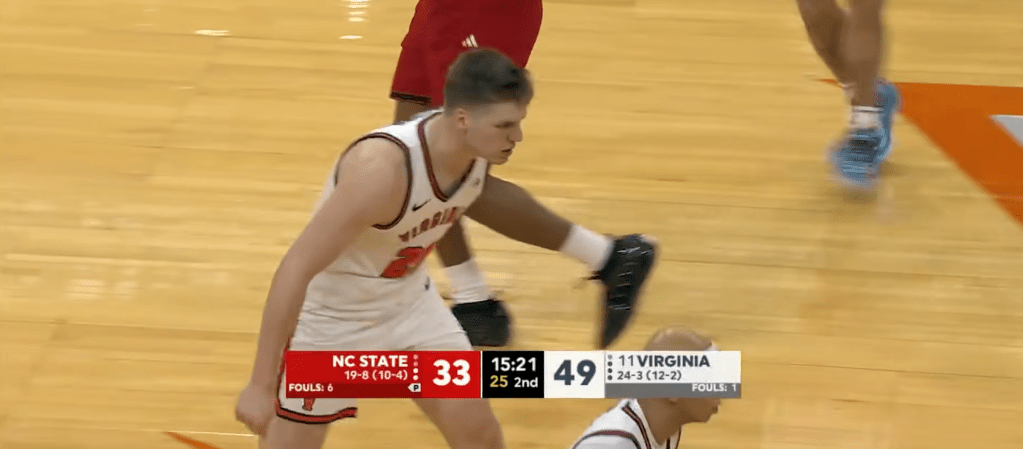
The Cavaliers’ dominant win against a bubble NC State team last weekend was noteworthy. It wasn’t much of a game. Virginia put on an offensive clinic with everyone getting a turn. The 23-year-old “freshman” from Belgium, Thijs De Ridder got to the rim with ease. De Ridder is averaging 16 points and 7 rebounds this season.
He and his Cav teammates blocked 11 shots in the game, many in the opening moments.
Head Coach Ryan Odom already had his “one shining moment” when his UMBC Retrievers became the first-ever team to beat a 1 seed as a 16 seed (in 2021). Despite breaking their hearts in that fashion, UVA actually decided to hire Odom as their next head coach after the long tenure of Tony Bennett had come to a conclusion. In a coincidental turn of events, no one is really giving UVA a shot right now, either. On the heels of their dominant performance against the Wolfpack, the Cavaliers will face Duke as a 10.5 point underdog (according to DraftKings).
Darius Acuff and Arkansas Overlooked
The Florida Gators have been playing good basketball of late, but they have zero business being a 10 point favorite against Arkansas on Saturday. Arkansas carries a 20th overall ranking.
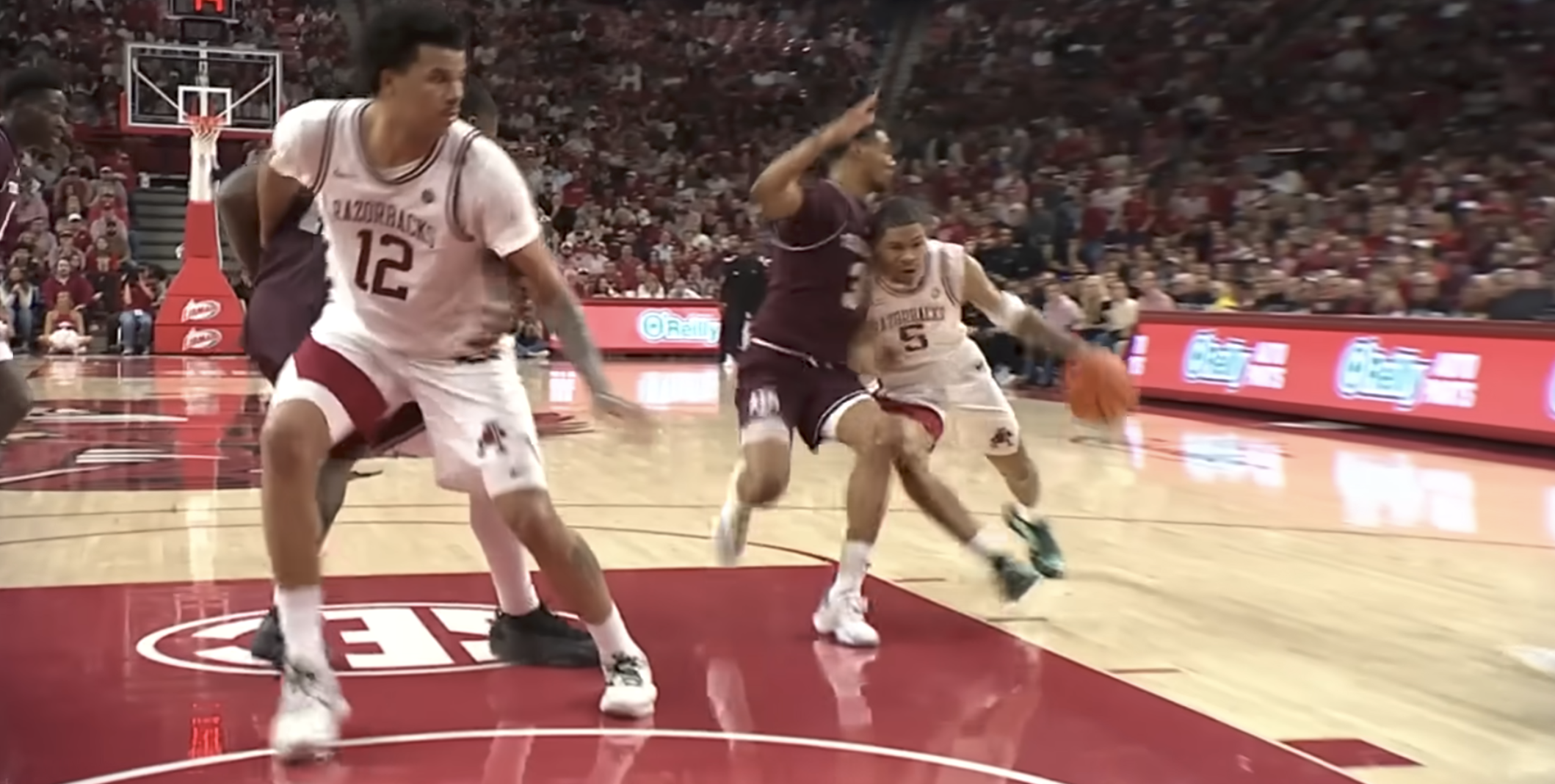
The Razorbacks look at times like a Final Four contender. Point guard Darius Acuff Jr. is among the tier of freshman following the top 5 NBA lottery pick freshmen who you hear all about. However, this kid has as high of a ceiling as the others. Texas A&M was challenging Arkansas this past week, before Acuff put on a street-ball styled flurry of plays that just reminded the Aggies who they’re dealing with.
This matchup against the Gators on Saturday might be a classic example of strengths against weaknesses, and vice versa. Florida guards have seemed to settle in after transferring into those positions this year, but it will be Florida’s front court that will have the advantage in this game.
Conversely, the Arkansas guards including Acuff Jr., Dejuan Wagner Jr., and Billy Richomond III will be a lot of athleticism for the Gator guards to have to handle.
USC Nebraska a Litmus Test Game for Both Basketball Teams
We don’t really know if USC is a tournament team and we don’t really know if Nebraska really deserves to be in this 2 or 3 seed discussion. Sure, they went undefeated for the better portion of 3 months. Still, it seems like we’re left waiting for the other shoe to drop with Nebraska.
Nebraska went undefeated until getting beat by Michigan for the first time on January 27th. In the month that followed, Nebraska hasn’t been terribly impressive. They won 3 or their last 4 games, but none of them against ranked teams. They lost their last game against a ranked opponent when they played Purdue, although they came storming back from a huge deficit in that game. It just looks like teams have figured Nebraska. Nebraska and Vanderbilt both look similar at this juncture. Their stocks were skyrocketing in December or January, but are now plateauing if not coming back down to earth.
As for USC, Chad Baker-Mazara returned from the injury report two games ago, but the Trojans have struggled in that pair. They just got routed by UCLA, which has not exactly been firing on all cylinders this season.
Here are some injuries for you to monitor before filling out your bracket for March Madness 2026.
The end of the regular season is seeing its share of season ending injuries to stars, but there are plenty more injury statuses to keep an eye on. Even if these players have returned, its worth noting how they and their team have performed in the closing month of the season before the Madness begins.
The NCAA Tournament is producing Madness already as the Field of 32 is established. One major injury for a title contender tops the list of injuries we are monitoring
Joshua Jefferson Out with a Bad Ankle Sprain Suffered against Tennessee State
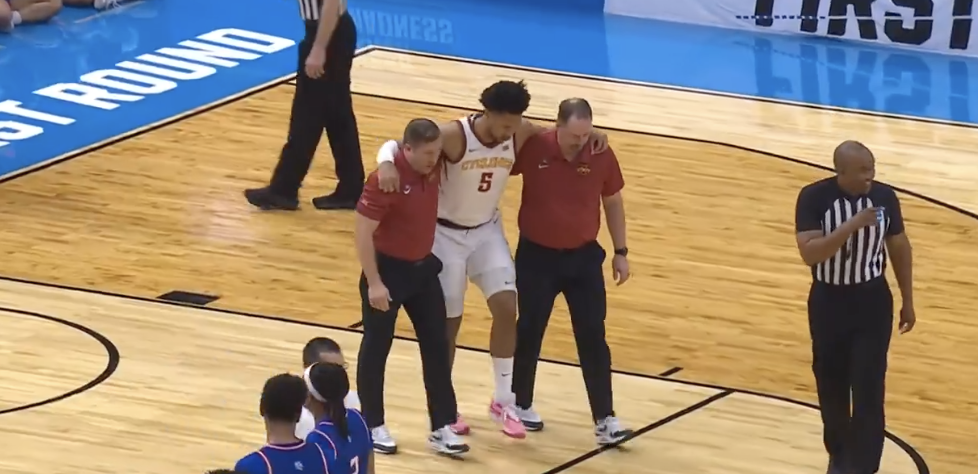
Iowa State is often described as a big three, but its biggest of those three went down against Tennessee State. Joshua Jefferson plays like a point forward where the offense revolves around him. Jefferson went down to the ground after a play against the Tigers and took a while to get up. He came back from the locker-room to join his teammates on the sidelines wearing a boot and using crutches. Iowa State told the Des Moines Register that X-Ray results were negative, but it’s unlikely that Jefferson returns based on how that looked.
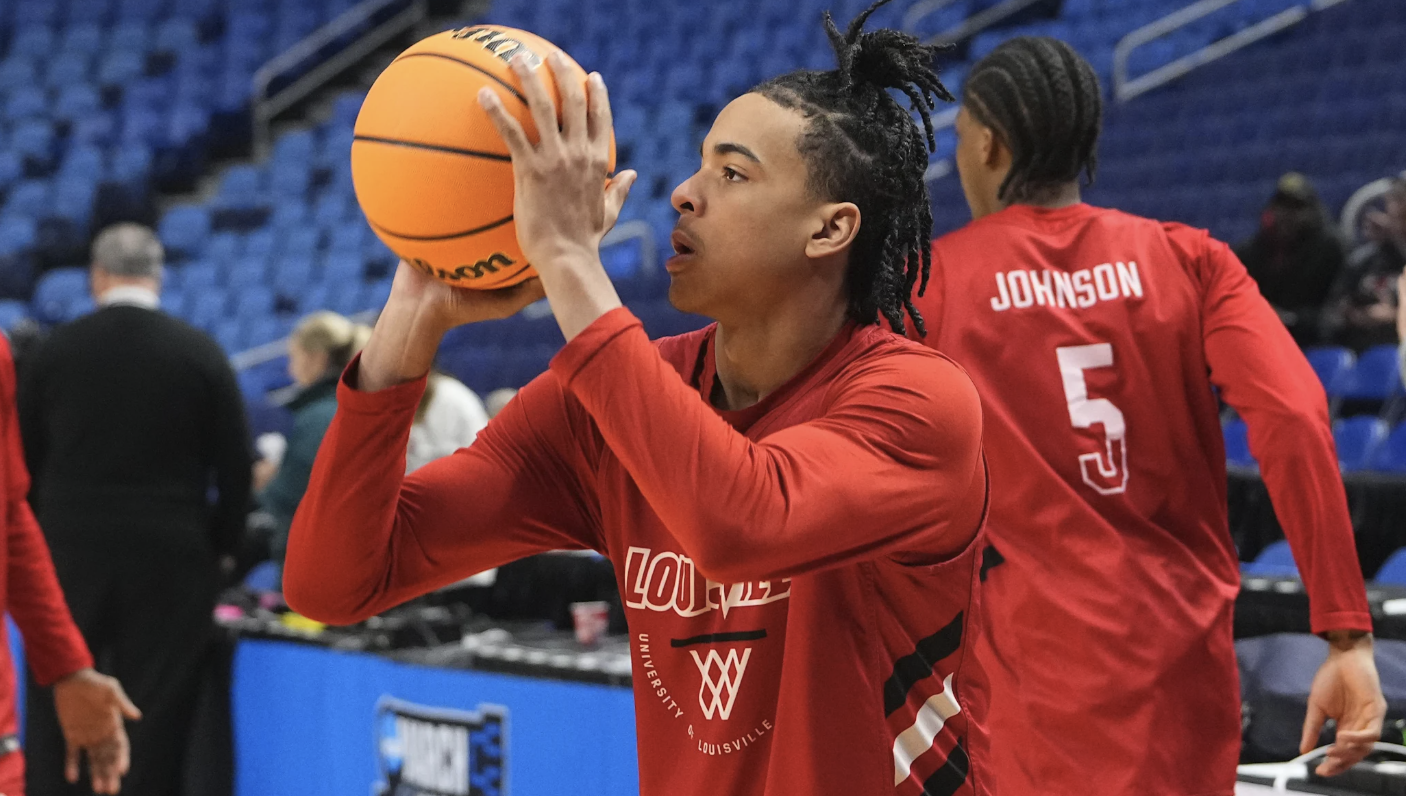
Mikel Brown Jr. Remains Out for Louisville with a Lower Back Issue
Sports Illustrated is reporting that the likely one-and-done star freshman point guard Mikel Brown Jr. will remain unavailable for the Cardinals. Brown Jr. missed five consecutive games before the tournament began with this same back injury.
Other Injuries that Happened before the Field of 32 settled in the NCAA Tournament
Please continue reading to learn more context about injuries that made an impact during the 2025-2026 Men’s College Basketball season.
Alabama’s Second Leading Scorer Still Out as Drug Investigation Continues
Aden Holloway’s criminal record may have suffered a serious injury this month. His picture is still listed on the Alabama Crimson Tide’s website and roster, but he will not be seen on the court. Holloway faces some serious felony charges after police claim to have seized marijuana from the star guard’s possession just days before the tournament began.
Duke Blue Devils Get Double-Whammy of Bad Injury News on Championship Week
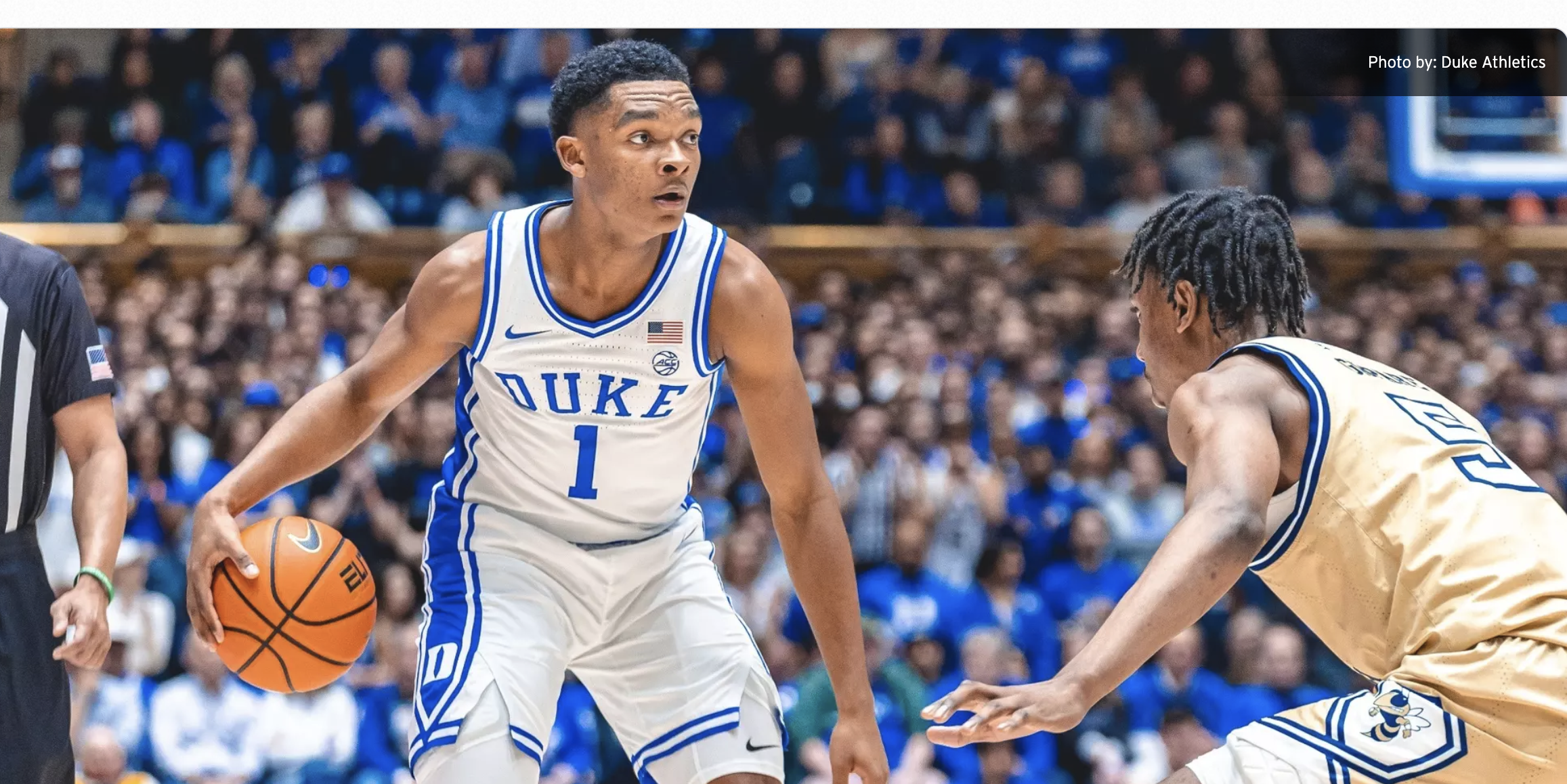
When you think of Duke championships, you think of steady point guards. That’s the look of Caleb Foster with this current Blue Devils team. That is, that was the look of the Duke team before Championship Week. On that week, we learned that Foster is out indefinitely with a broken foot.
The loss of Caleb Foster removes a steady ball-handler who contributes 8.5 points and nearly three assists per game. His assist-to-turnover ratio was roughly 3:1. Foster’s perimeter shooting and ability to initiate offense help stabilize tempo late in games, making Duke more dependent on primary scorers to generate quality looks.
Historically, Duke’s deepest March runs have almost always coincided with steady primary guard orchestration — whether through Hurley’s distribution, Wojciechowski’s defensive tone-setting, Scheyer’s decision-making, or Jones’ clutch scoring.
So far this season, it’s another familiar family name for Duke that has grabbed all of the headlines: Boozer. Cameron Boozer’s banner freshman season has been widely celebrated, but now his brother (fellow freshman) Cayden Boozer is jumping into the spotlight in lieu of Foster’s injury. Cayden had not got much run earlier this season. However, now that Foster is out, Cayden Boozer has stepped up to the challenge and started at point guard while helping lead Duke to an ACC Championship.
On the heels of leading his team to an ACC Championship and asked by ESPN’s sideline reporter about two key injuries, Duke freshman Cayden Boozer says the Blue Devils can still win it all.
Duke Loses Interior Efficiency and Rim Protection Without Patrick Ngongba II
Duke’s frontcourt rotation takes a measurable hit with Patrick Ngongba II sidelined. The center averages 10.7 points, 6.0 rebounds, and a team-leading 1.1 blocks while shooting over 60 percent from the field. His absence reduces interior scoring efficiency, weakens rim protection, and limits second-chance opportunities.
During the ACC Tournament, there was a game against Clemson where Duke actually gave only 7 players minutes.
Jaden Bradley in a Brace to finish the Big 12 Tournament
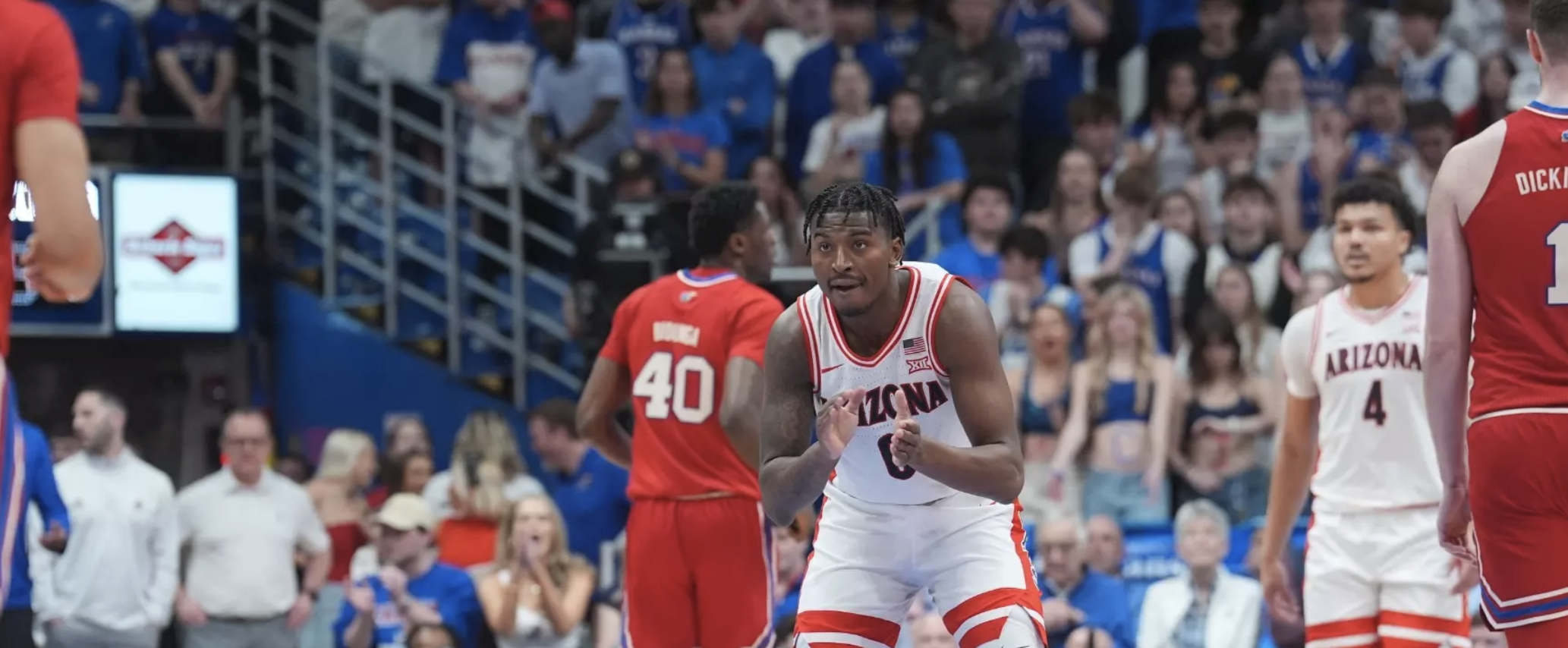
The Big 12 Men’s Basketball Championship game was a physical one between two national title contenders, in Houston and Arizona. Arizona star point guard (and Big 12 Player of the Year) Jaden Bradley took a fall and headed to the locker-room mid-game.
He re-emegerd with a brace around his hand and thumb. Shortly after returning to the bench, he headed back into the game. The Wildcats withstood a wild comeback by the Cougars to hand onto the win and the Big 12 title.
Arizona star and #Big12mbb POY Jaden Bradley returns to the Wildcats bench from the locker room with a thumb brace on his hand, but returns to the game! pic.twitter.com/1Ay5FtQOG5
The headline of the college basketball injury landscape is Caleb Wilson’s broken hand. UNC star Caleb Wilson suffered a broken in late January, but has shared on social media how he looks forward to playing again at Chapel Hill. Because Wilson is a no-doubt NBA lottery pick, many people were speculating that he’ll never return to a UNC powder blue uniform again.
Wilson never made it back to the court to finish his freshman season, despite trying. He broke his hand again during practice while building up to game shape in early March.
BYU’s Richie Saunders Ruled Out for Season with ACL Tear
The headline of an injury-plagued second half of the college basketball season was this sad news. BYU sharpshooter Richie Saunders suffered a season-ending ACL injury. Saunders was a veteran leader for the Cougars, averaging around 18.8 points per game while shooting nearly 49% from the field and about 37.6% from three this season.
His absence was felt both on the scoreboard. The guard tore his ACL on Feb. 14. The Cougars were 19–6 at the time, but have gone just 2–4 in the games since the injury, dropping five of their last seven overall and sliding out of the AP Top 25. A key moment was when BYU visited Cincinnati to begin March and lose what could be a defacto playoff game if The Big 12 gets only one bubble team into the tournament.
Since Saunders went down, AJ Dybantsa has taken on an even larger scoring burden. His production has climbed from 24.4 points per game before the injury to 27.2 afterward, but the added volume has come with lower efficiency, as his field-goal percentage has dropped from 53.6% to 46.6% over the last five games.
Darius Acuff Ankle Acting Out to Start March, Looking More-than-Recovered Now
The Arkansas point guard was starting to get national player of the year consideration, led by some in the coaching community. The star freshman had a bum ankle that kept him out of an early March game against Missouri. However, the stud has since more than recovered. Acuff Jr. has been dropping 30 points easily in games, including his lethal shooting that effectively knocked Oklahoma out of the tournament conversation during a dramatic SEC Tournament win.
Losing to the 20th ranked Razorbacks certainly got Texas Head Coach Sean Miller’s attention. He called Acuff Jr. the best point guard he’d seen in 40 years.
Illinois Injury Shuffle: Boswell Returns, Stojakovic Now Sidelined
It was guard off the IL, one guard remaining on the IL for Illinois. After an extended absence from the lineup, Kylan Boswell returned to the lineup for a convincing win at home against Indiana, giving the Illini a much-needed jolt of experience and steadiness. However, Andrej Stojakovic has been now nursing an ankle injury of his own, and Illinois suddenly finds itself toggling between getting healthier and losing another key contributor.
Both guards have been playing in March, but it’s Illinois inconsistency that has fans anxious headed into Selection Sunday. Illinois lost two games they seemingly had control of to Wisconsin, one of which ruined their chances of advancing to the Big 10 Tournament quarterfinals.
Gonzaga’s Braden Huff Injury Could Loom Larger Than Expected
Braden Huff was emerging as one of those classic Gonzaga program players who evolves from a skinny modest contributor to a major force down low. His verstality as a stretch 4 has been noticeably missing since his 4–8 week absence began a few weeks ago with a knee injury. However, as his timetable stalls and the postseason competition intensifies, this injury could become more consequential as the weeks go by.
There are no signs that Huff is close to returning to the lineup, as Gonzaga will return to March Madness as the West Coast Conference Champions, once again.
Kansas Star Darren Paterson: Injury Mystery or Draft Countdown?
If you were waiting for a better explanation for Darren Paterson baffling dynamic with the Kansas Jayhawks, you may still be waiting a while. There were two odd losses in March for the Jayhawks, but now it might be three strikes and they’re out. After going viral for tapping head coach Bill Self to take him out of a game against Oklahoma State, Kansas has been one of the most glaring chemistry disasters nationwide. A lopsided loss against Houston in front of their home crowd in Kansas City during the Big 12 Tournament might be the ultimate litmus test. This team isn’t connected and they’re going to get beat in the tournament.
There’s been some confusion surrounding KU basketball star Darren Paterson’s status this season. Right now, it remains unclear whether he is doing college basketball part time before cashing in his NBA Lottery ticket, or whether he has a tangible injury that we should be monitoring. Kansas has not provided a fully transparent update, and that ambiguity has fueled speculation at the worst possible time of year. A Kansas Jayhawks loss at Arizona State has the questions more about team chemistry than it does Paterson’s health status. The Jayhawks also lost at home to Cincinnati when Paterson played his most minutes of the season.
Kentucky’s Jayden Quaintance Remains Sidelined With Knee Injury
Jayden Quaintance has missed an extended stretch of games for Kentucky while dealing with a knee injury, and his status remains one of the most important health questions for the Wildcats entering the heart of the postseason. The former Arizona State transfer brings rare athleticism and size to Kentucky’s frontcourt, making his absence especially noticeable in matchups against bigger opponents. Reports in mid-February indicated that the length of the injury has also begun to impact outside perceptions of his season and availability. Until Quaintance is cleared to return, Kentucky’s rotation continues to operate without one of its most physically dynamic interior pieces.
USC’s Engine: Chad Baker-Mazara Shut Down
We don’t know if feelings got injured or if a body part got injured, but USC shut down Chad Baker-Mazara to start March. The program announced that he is no longer on the team. He was tthe engine that made the Trojans go. After transferring from Auburn, Baker-Mazara has emerged as USC’s most consistent offensive force, providing scoring, shot creation, and leadership in late-game moments.
Teams Currently Carrying Completely Clean Injury Reports
Some of America’s top programs currently show completely free injury reports, giving them a major advantage as the season tightens:
It’s the penultimate month before March and the college basketball picture looks a lot different from what was expected at the start of the 2025-2026 season. Nebraska went from being unranked in the preseason, to currently projected as a potential 1 seed in the tournament. It took until late January for the Cornhuskers to harvest their first loss of the season. Their Big 10 counterpart and victor in that game, Michigan, went from being a preseason 12th ranked program to looking unbeatable. The Wolverines have been absolutely crushing teams.
Dangerous mid-major underdogs roam wild across college basketball
As the major programs (and their coaches) whine about the lack of loyalty that happens in the new NIL portal-crazed climate (boo-whoo), the smaller mid-major programs are quietly putting together impressive resumes.
St. Louis Billikens basketball is currently the 21st ranked team in the nation. However, it’s not only the major power teams that are leveraging the transfer portal. The Billikens sport 10 newcomers on this roster. You may remember one of their transfers in the popular “Cream Adbul Jabbar” Robbie Avila, a transfer from Indiana State. Avila’s Sycamores got totally snubbed from the NCAA Tournament last season. They enter February with only 1 loss and are competing in an Atlantic 10 division that has a favorable argument to make for two teams getting invited to the tournament. George Mason and VCU have also been putting together tourney-contention-worthy resumes.
UNCW made its loudest statement of the season by walking into Baltimore and dominating Towson in a nationally televised game between two legitimate CAA contenders. That wasn’t a hot shooting night or a matchup fluke—it was a physical, controlled performance that showed roster maturity and a clear identity. The Seahawks’ rotation leans heavily on experienced guards and upper-class forwards who understand spacing, shot selection, and how to defend without gambling. UNCW dictated tempo, owned the glass, and took Towson out of its comfort zone early, turning a big conference game into a showcase. When a mid-major can impose itself on the road, on TV, against a peer, that’s the kind of résumé line that carries weight in February and credibility in March.
Liberty Flames continue to look like one of the most structurally sound teams in the country, regardless of conference label. Their depth is real, not theoretical, with a steady rotation of players who accept roles and execute them cleanly. Liberty’s offense doesn’t rely on one scorer or one action; it wears teams down with spacing, shot discipline, and relentless rebounding, especially on second chances. The experience across the roster shows up late in halves, when possessions matter and Liberty almost always gets a good look. This is the type of team metrics love and opponents hate, because nothing feels easy and mistakes are punished immediately.
South Florida deserves more attention than it’s getting nationally, because the Bulls consistently pass the eye test in ways that translate to tournament play. Their physicality stands out, particularly on the offensive glass, where they generate extra possessions at an elite rate and grind opponents into foul trouble. The Bulls lead the country in second chance points. It’s a big reason why they easily hit triple digits in games. USF doesn’t need to shoot lights-out to win games—they overwhelm teams with effort, depth, and pressure that accumulates over forty minutes. When you watch them against quality competition, the takeaway isn’t just that they’re winning, but how they’re winning. That profile—tough, rebounding-heavy, and comfortable playing ugly—is exactly what creates first-round upsets in March.
The college basketball landscape is wide open as the calendar turns to 2026 and these teams outside of the top 5 have built a compelling tournament resume.
BY MATTY D.
Utah State Looking Like the Aztecs in Terms of Mountain West Dominance
College basketball fans like myself, who have been watching for the past 20-30 years, just assume that the San Diego State Aztecs are going to dominate the Mountain West and then represent the conference honorably in March. This year, there’s a different wrinkle to that picture. Utah State is not only winning, but they are dominating. This weekend they went into Boise State and beat the shit out of a Broncos team that actually just took those same Aztecs into triple overtime. And so they’re good. However, it wasn’t a contest when Utah State visited Boise a few days later.
Watch the first half highlights from this game. The Aggies came out angry and athletic, a deadly.combo.
AJ Storr and a talented Ole Miss orchestra of guards playing in harmony after discord
AJ Storr and his coach Chris Beard went viral to start the season because of their uncomfortable moment at the postgame podium. When you’re a player like Storr who has literally played for four college programs, it’s easy for basketball fans to critque you for your lack of coommitment to basketball’s fundamentals. But Storr’s play at times this season, justified that jeering.
This weekend, Storr had his best game in store.
He scored 26 on a highly efficient night. He shot 50% from the field, 4-6 from 3PT, and a perfect 6-6 from the free throw line.
This could be a turning point to the season to where Ole Miss starts cooking.
Iowa exposed inside on big win by the Baltic built Illinois basketball team
Illinois didn’t just beat Iowa. They physically exposed them.
This was not a game decided by hot shooting or clever sets. This was decided by mass, leverage, and a level of interior strength that Iowa simply did not have answers for. From the opening possessions, Illinois lived in the paint, and Iowa absorbed it. By halftime, Illinois had already dropped 24 points in the paint.
That production came straight from the Balkan Five. Tomislav Ivišić, Zvonimir Ivišić, Andrej Stojaković, Mihailo Petrović, and David Mirković brought a level of size and physical comfort that Iowa could not match. These are adult frames. These are players who are used to contact. And they played like it.
When Illinois rolls that group out, it doesn’t look like a college lineup. It looks like a EuroLeague frontcourt wandered into the Big Ten.
Kylan Boswell was the steady hand that made all of it work. He played 38 minutes, scored 17 points, hit timely shots, and more importantly, kept the offense organized. He didn’t over-dribble. He didn’t force. He consistently got Illinois into their actions and delivered the ball where it needed to go. In a game built on physical advantage, that kind of point guard control is everything. Iowa never disrupted him, and Illinois never lost rhythm.
Stojaković is especially interesting in this group, not just because of his strength, but because of his bloodlines. As Peja Stojaković’s son, he connects Illinois to this growing wave of sons of NBA players currently impacting college basketball (click here for the full article).
Illinois is not just international. They are grown.
Parody, the primary ingredient that makes college basketball amazing, could be spoiling right in front of our very eyes. It’s the ingredient that allows for a team ranked outside of the top 100 make for a memorable Thursday in mid-March.
Last year, we watched all 1 seeds make the Final Four for the first time in nearly 20 years.
This year, we are seeing a historic streak where the basketball season is beginning with ranked teams pitching a shutout against unranked teams.
This streak is crazy…
We’ve officially hit the longest stretch in AP Poll history 😳
Even with ranked teams continuing their perfect record against unranked opponents, the season has already delivered moments where the upset alarm blared loud enough to make everyone look twice. In early November, Towson pushed No. 3 Houston deep into the second half before a late 13–2 run finally gave the Cougars breathing room. UC Irvine nearly stunned No. 7 Arizona, leading for long stretches until Koa Peat’s late-game heroics bailed the Wildcats out in Tucson. Charleston had No. 12 Alabama tied inside the final four minutes before the Tide’s depth finally separated. Even mid-majors like Vermont (vs. Tennessee) and Saint Peter’s (vs. Villanova) hung around into crunch time, keeping the score within a single possession late. All of these games flirted with becoming the season’s first true shocker—yet every time, the ranked favorite found a solution. Those close calls highlight how thin the margin has been, but they also underscore the larger storyline: even when threatened, the top teams simply refuse to fall.
The Rich Getting Richer Makes for a Poorer Experience for the Non-Power Schools
In the NIL era, the old saying “the rich get richer” has never felt more literal in college basketball. Money has always mattered, but now it speaks with a megaphone. The programs with deep-pocketed collectives, national brands, and massive donor networks are stacking even more advantages on top of their already dominant positions. Top-50 recruits who might have once chosen high-mid-majors for immediate playing time are now opting for Power 5 schools because the financial opportunity simply isn’t comparable. Even proven mid-major stars in the transfer portal are being pulled upward by six-figure offers and long-term visibility that only the biggest programs can provide. The result is a consolidation of talent at the sport’s wealthiest institutions—where depth charts resemble NBA benches and even the “role players” were once featured options somewhere else. As NIL accelerates this talent migration, the power dynamic continues tightening around a small handful of resource-heavy schools, making the upset landscape feel thinner than ever.
Another dynamic is clearly missing from the college game There are nearly no scenarios where the nucleus of mid-major programs are cultivating with each other, and delivering results, within a four year window. If you think of the Wichita State teams from the early 2010s, there was a senior leadership that blended young stars (like Fred Van Fleet) and then blossomed come tournament time. The Butler Bulldogs of that same era grew as a unit with a mix of one or two NBA prospects with a remainder of just solid 4 year college basketball players.
Once a player does excel at the mid-major level, he jumps squarely onto everyone’s radar and therefore, likely, into the transfer portal.
Oscar Clufff is a rare case of a player journey from major, to minor, to a major conference once again.
The transfer portal has become more important than the traditional course of coaches recruiting from high schools. Look at 247sports.com listing of the top 100 players to transfer ahead of the 2025-2026 season. You’ll see the litany of instances to where a power school robs from the fruits of the mid-major level labors.
Believe it or not, a flurry of injuries in early November are already having an impact on the 2026 NCAA Men’s Basketball Tournament. Two of the nation’s most recognizable blue bloods have stars on the sidelines. And that will certainly have at least a trickle-down effect on the seeding and possibly even the viability of some bubble teams.
Seth Trimble’s Injury Leaves UNC’s Backcourt Even More Unproven
Days following a big non-conference win against Kansas, North Carolina senior point guard Seth Trimble broke a bone in his forearm during a team workout. The injury needed surgery and Trimble was expected to be out until at least late January. This news comes “on the heels” of another news item that worked against UNC’s backcourt strength. During the offseason, fellow UNC guard Elliot Cadeau announced that he was leaving for Michigan.
One would also assume that this injury also leaves more of the offensive productivity on the shoulders of super freshman Caleb Wilson. The 6-10 former Gatorade Player of the Year from the state of Georgia was already averaging an even 20.0 points per game when this news broke.
McDonald’s All-American Darryn Peterson Nursing Back to Health
Darryn Peterson could be a top pick in the NBA Draft in the spring of 2026, but March Madness fans of that same season will be holding their breath about whether they’ll see him at 100%. Darryn Peterson missed two games in mid-November with a hamstring strain before being listed as “day-to-day” before The Champions Classic on November 18th. Peterson scored 22 and 21 points in the two games he did play. Before we enshrine the Canton, Ohio native into any halls of fame, we’ll have to wait and see how he recovers from this notoriously nagging injury.
Notable Injuries Across the College Basketball Landscape for the 2025-2026 Season
BYU – The Cougars HR department is dealing with a mix of sick calls and personal days. Keba Keita suffered a concussion in a November game against UCONN while at the same time fellow big man Kennard Davis was benched for suspicion of driving drunk.
Houston – These Cougars are known for their depth and toughness, but their injury report is riddled with some nagging injuries for rotation players. Kordell Jefferson and Jacob McFarland were spotted on the injury report early in the season.
Illinois – A pair of 7 plus footer brothers were listed on the injury report recently. They make up an interesting storyline thread of the so-called “Balkan Gang” that has been assembled at Illinois.
Georgetown’s Spark-Plug Center to Miss Significant Time after Hot Start
The Georgetown Hoyas have been one of the pleasant surprises of the early going for the 2025-2026 season. College basketball observers aren’t surprised to see head coach Ed Cooley lead another middle-tier East Coast team to postseason relevance. However, in late November the undefeated Hoyas had to adjust to life without their spark-plug center, Vince Iwuchukwu.
According to TheHoya.com, Iwuchukwu transferred to Georgetown after playing at St. John’s last year: “Prior to attending St. John’s, Iwuchukwu played two years for the University of Southern California (USC). In his first year at USC, Iwuchukwu suffered a cardiac arrest during a July practice and missed half of the season.”
Myles Rice Maryland Tenure Stumbles Out of the Gates
Myles Rice showed flashes of being the best point guard in the country as his Washington State Cougars won a tournament game. But that was two teams ago for the now Maryland Terrapin. After playing for Washington State and Indiana, an ankle injury has been keeping Rice on the sidelines, for now.
The Ticket of Integrity: Saturday’s Smartest College Hoops Plays
A loaded slate of college basketball action means it’s time to lock in a Saturday ticket that blends sharp lines, big matchups, and teams with something to prove. This one’s dubbed The Ticket of Integrity, and there’s a lot to like. Let’s break it down pick by pick.
Florida Gators -9.5
The Gators are rolling at home and have a clear edge in both talent and tempo. They’ve been dominant in Gainesville lately, and their aggressive defense tends to overwhelm lesser opponents. Against a team that struggles to score in bunches, Florida should build a lead and keep the foot on the gas. Expect them to cover with some breathing room.
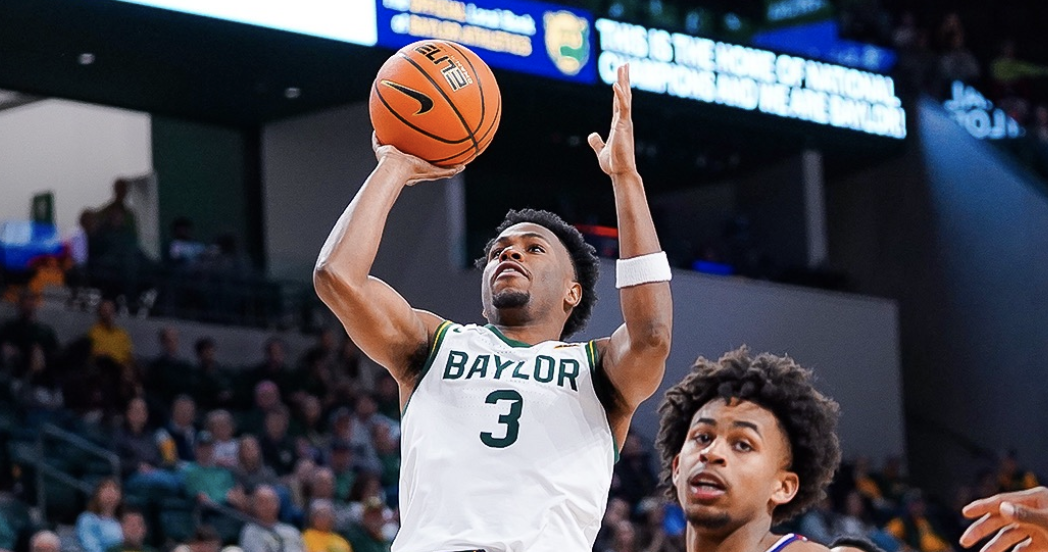
Baylor Bears +12.5
Baylor isn’t your typical double-digit underdog. Even in tough road environments, their backcourt is experienced and battle-tested. This line feels inflated—possibly reacting to a strong opponent—but Baylor’s ability to control pace and knock down timely threes makes them dangerous. They don’t even have to win, just keep it close—and they’re more than capable of that.
Jeremy Roach isn’t the only point guard who is playing his former team for a chance to advance. Roach plays a Duke program he spent three seasons with, but Tre Donaldson will be playing against his old Auburn team for a shot at the Elite 8. This fascination with revenge games, or at least awkward matchups among exes, is one of several trends fixed as annual traditions in recent years. Click here to read 5 more traditions that we now see on an every year basis.
Kentucky Wildcats +2
Kentucky’s youth is starting to gel at the right time. When they’re locked in, this is one of the most offensively explosive teams in the country. They’ll have the best player on the floor and a coaching edge in late-game scenarios. Getting them as an underdog is rare value—this is a live dog play all the way.
Alabama Crimson Tide -250 (Moneyline)
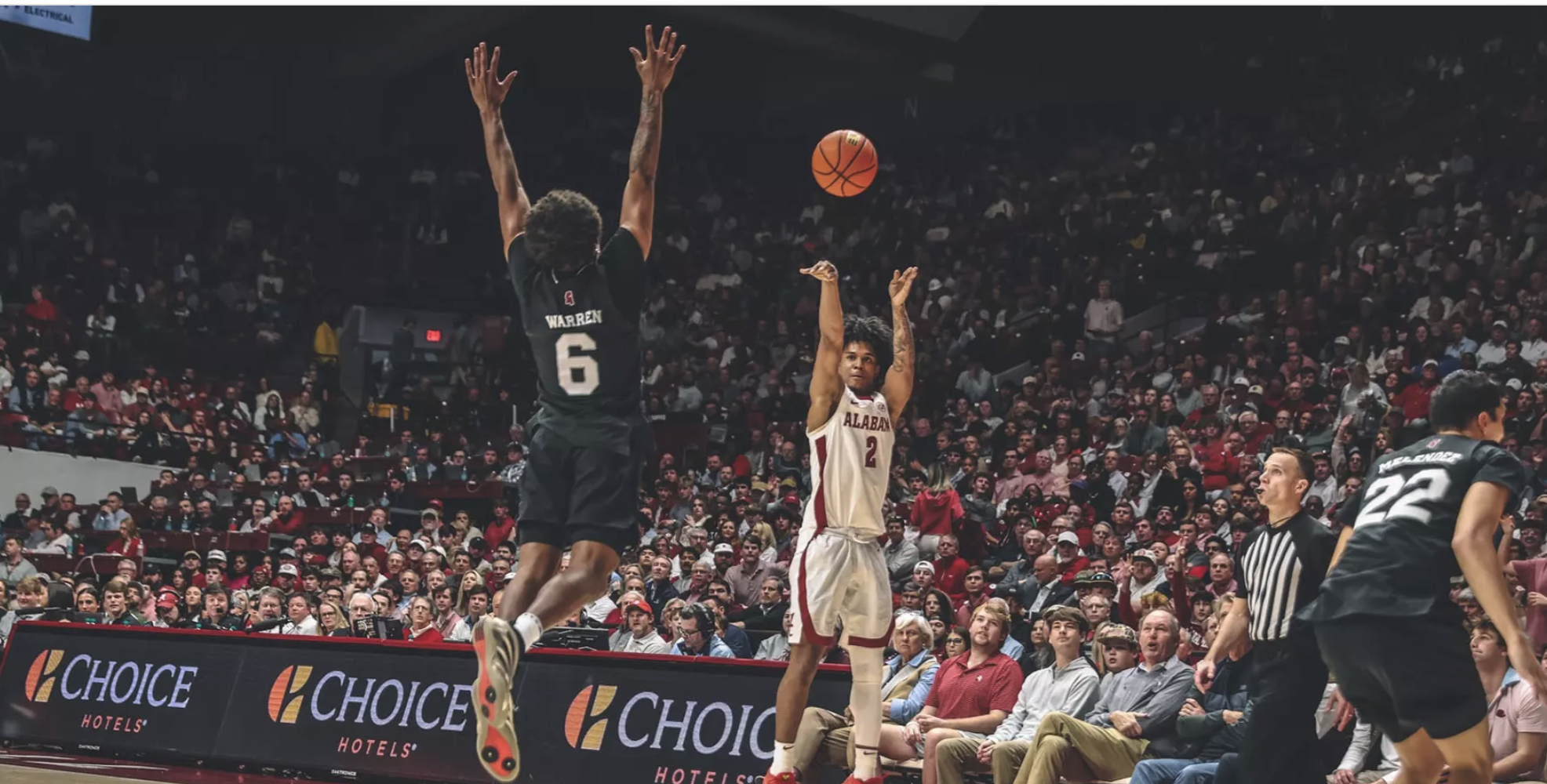
Alabama at home is a different beast. Their offensive firepower, led by elite guard play, can torch defenses in a hurry. While laying -250 on the moneyline is steep, this is about securing a key piece of the parlay with a team unlikely to lose outright. The Tide roll here—plain and simple.
Ironically, St. Mary’s remains one of my top remaining underdog values in the tournament. Click here to see what teams I had identified as the best 5 future values once the tourney began.
Iowa State Cyclones -5.5
Cyclone Nation is built on suffocating defense and Hilton Magic. Iowa State’s ability to force turnovers and control tempo makes them a nightmare matchup, especially in Ames. With a manageable spread, they’re in a perfect spot to not just win, but win decisively. Trust the home court to deliver once again.
Maryland Terrapins -7.5
The Terps have quietly become one of the more consistent home teams in conference play. Their defense has clamped down lately, and they’ve shown they can string together scoring runs that bury teams quickly. Against a weaker opponent, Maryland should flex early and often. A double-digit win is well within reach.
Arizona Wildcats -3.5
When Arizona is humming, they look like a Final Four team. Their inside-out balance and high tempo can overwhelm opponents who aren’t used to that kind of pace. With tournament positioning on the line, expect a focused effort and a margin that clears the number. The Wildcats know what’s at stake—and they’ll play like it.





 College Basketball Eye Test