Here are some fun pairings of college basketball futures and college football futures, which gives extreme payouts with compounded odds.
Which universities have a legitimate shot at making both the College Football Playoff (CFP) and College Basketball’s Sweet 16 or Elite 8? If you are looking for long-shot value, these dual-sport powerhouses offer some fascinating futures and parlay opportunities.
Today features massive gridiron matchups, with SMU taking on Louisville and BYU battling Colorado State. But for sports bettors and college fans looking at the bigger picture, today’s games are just one piece of a much larger puzzle.
BYU Cougars: The ultimate high-value sleeper?
The BYU Cougars are flirting with a top 10 football ranking and look like legitimate playoff contenders on the gridiron. But don’t sleep on their basketball program.
Even after navigating massive roster shifts in the modern NIL era, the Cougars return dynamic playmaker Robert Wright III to run the point. Compounded odds for BYU to win a national championship in both football and basketball sit at a staggering 666-1. It’s a massive payout, but as the old saying goes: buyer beware!
Louisville vs. SMU: A tale of two parlays
Louisville and SMU squared off against each other on the day this article was published.
Coach Pat Kelsey has turned Louisville basketball into a certified track meet, and oddsmakers have noticed—listing the Cardinals at 22-1 to win the college basketball championship. If you build a two-leg parlay backing Louisville to win both the football and basketball national titles, you are looking at a combined 400-1 ticket.
Want to get truly wild? Betting on SMU to achieve the same historic dual-sport sweep would pay out an astronomical $19,000 on a single $1 dollar bet.
Texas Longhorns: Heavyweight contenders in both sports
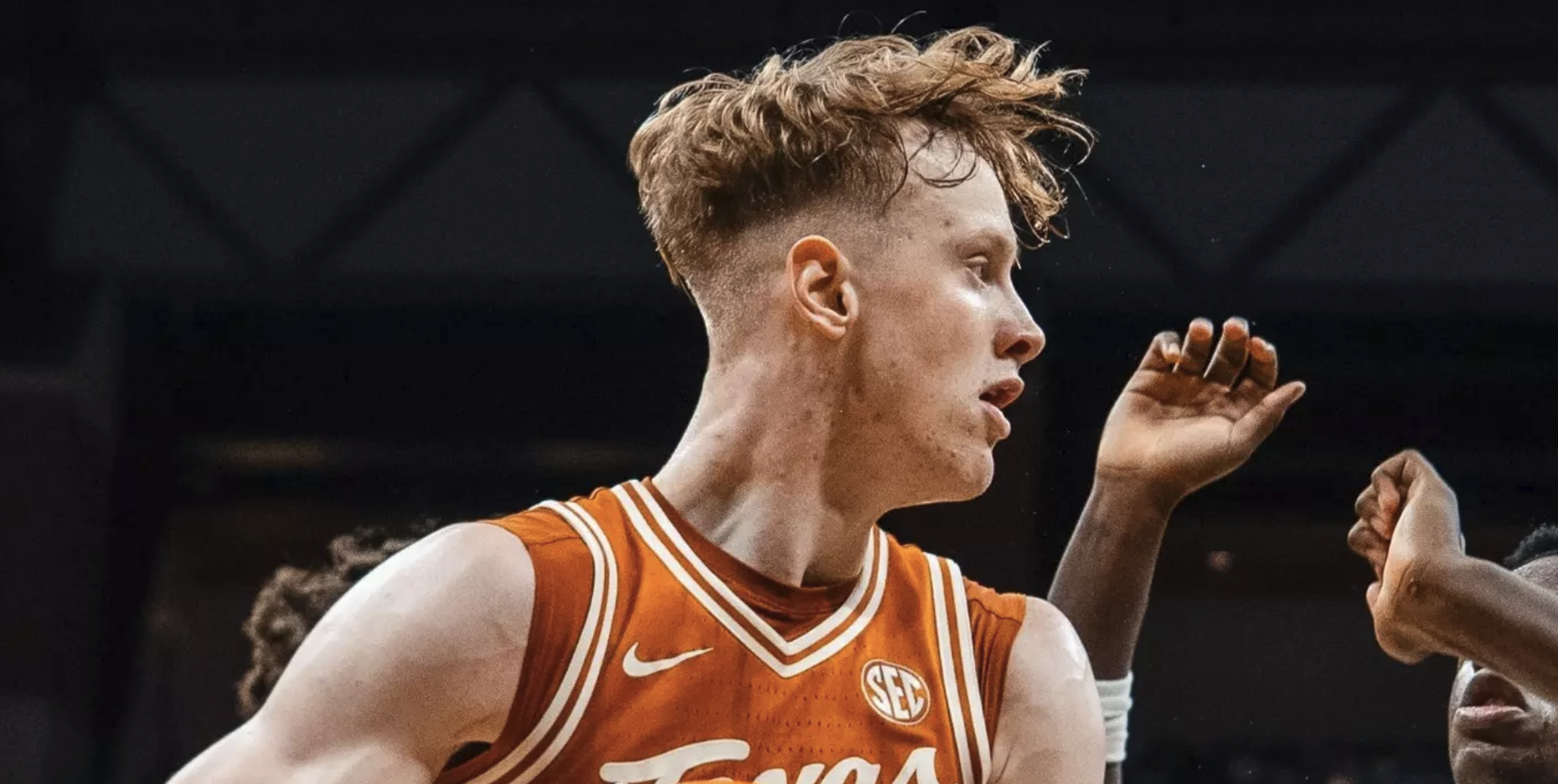
Texas survived an early-season football scare against Ohio State, cementing their status as national championship favorites. On paper, their basketball team matches that elite pedigree.
The program generated massive offseason buzz, recently tweeting out a viral video of alumnus Kevin Durant returning to campus for a workout. With the Longhorns sitting at 6-1 to win the football championship and 22-1 to win March Madness, they represent the safest bet on the board to make deep postseason runs in both sports.
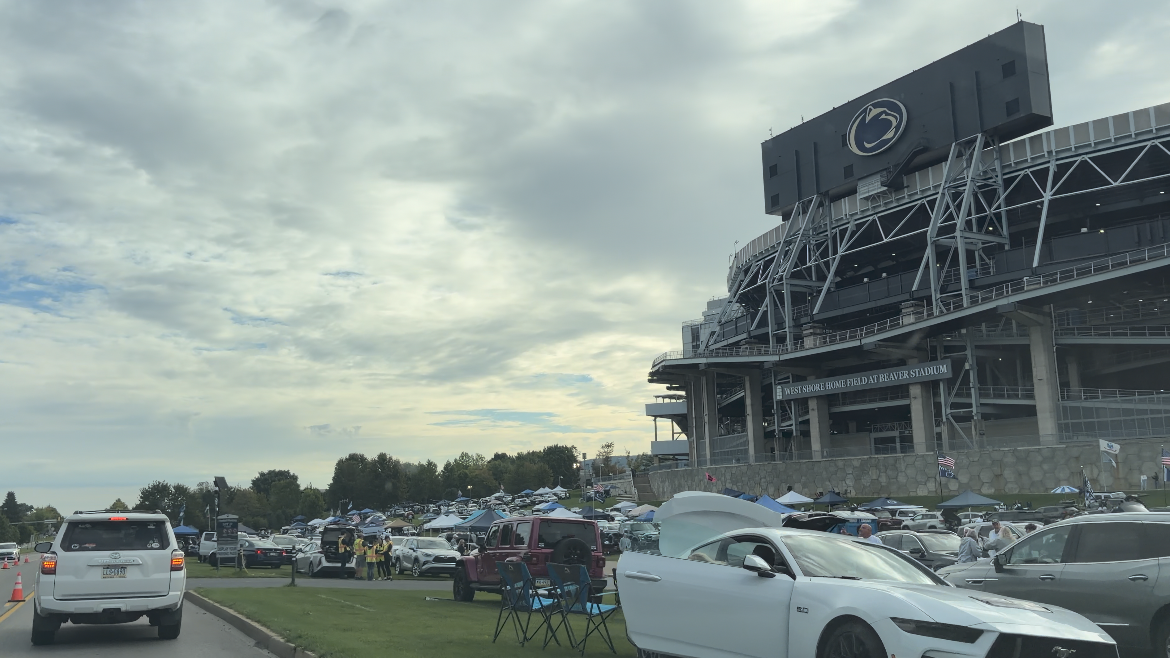
I’m writing this live from State College, where Penn State is firmly in the hunt for a College Football Playoff berth. However, the Nittany Lions aren’t expected to make much noise when March Madness rolls around.
While these dual-sport champion outcomes are highly unlikely, you don’t actually need both teams to win it all to turn a profit. Simply making it into tournament play opens up massive opportunities to hedge your bets and lock in a return.
For more deep dives and analytical breakdowns, visit collegebasketballeyetest.com.
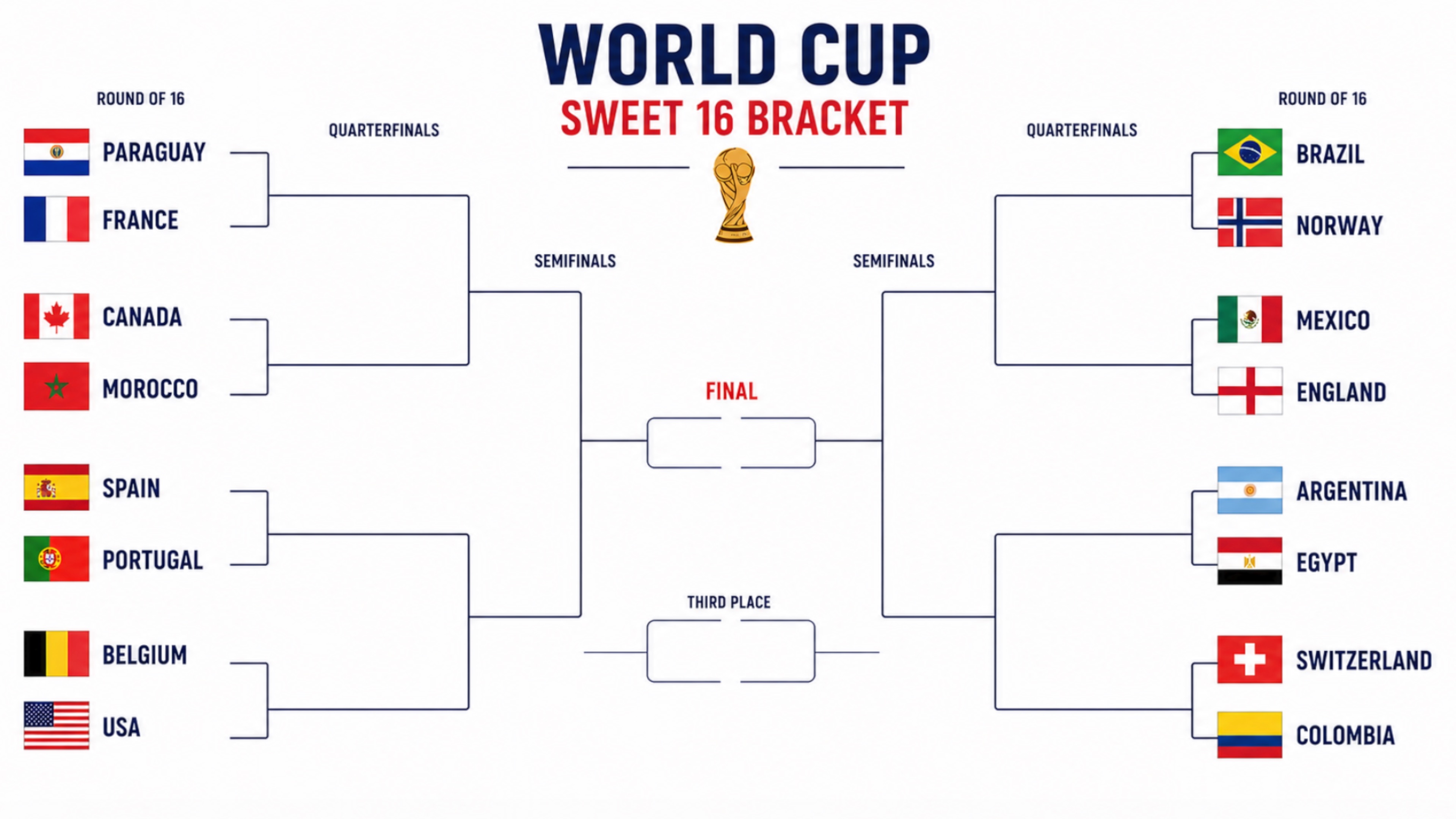
World Cup Sweet 16 Printable Bracket: Updated for Saturday, July 4
The 2026 FIFA World Cup has reached the Sweet 16, and the tournament is beginning to feel a lot like March Madness. Every match is now win-or-go-home, making this one of the most exciting weekends of the tournament. If you’re searching for an updated World Cup Sweet 16 printable bracket.
Print your bracket, follow every matchup, and make your own predictions from the Round of 16 all the way to the championship. With several surprising upsets already reshaping the field, every remaining country has a chance to write its own Cinderella story. Download the printable bracket and enjoy the knockout stage!
College Basketball Blogger Can’t Resist Filling Out a Bracket, World Cup Predictions
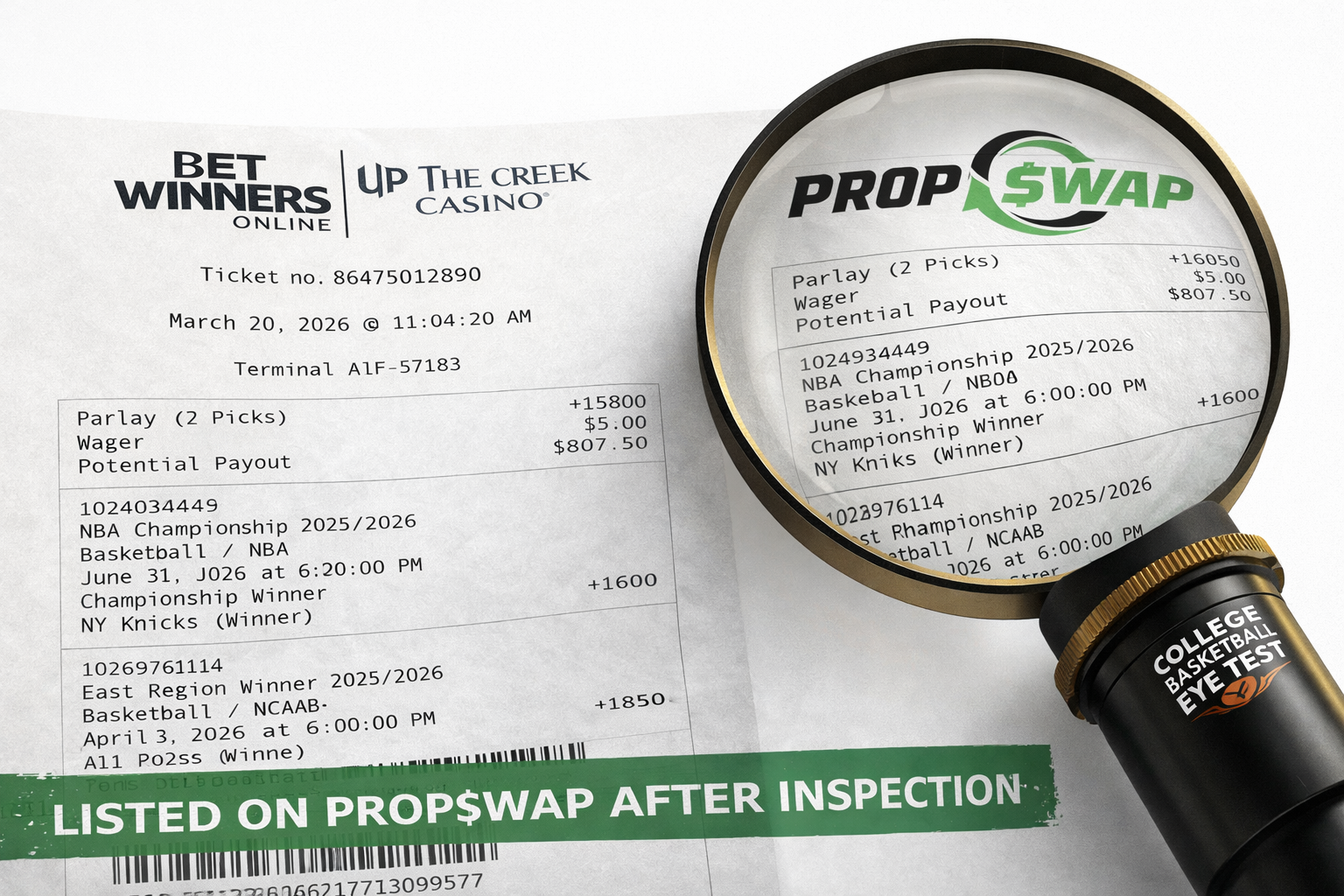
College basketball futures betting becomes even more dynamic once theSweet 16 bracket is set, as fans and bettors look for creative ways to manage risk, lock in profit, or simply stay connected to their favorite teams’ championship runs. At CollegeBasketballEyeTest.com, readers can follow along as select NCAA Tournament futures tickets are occasionally listed on the PropSwap resale marketplace, giving the broader fan community a chance to buy into live March Madness storylines. Below is a look at current and recent listings that have generated interest.
Matty D. Spots 4 of the Sweet 16 in his “Cinderella Super Sleeper” Article
Before this tournament began, blogger Matty D. revealed these top 10 Cinderella “Super Sleepers.” All of the picks included teams with odds no more expensive than 50-1. For example, Arkansas was the chalky of the picks at 50-1 before the tournament began. This top 10 list started as a top 5 list before Selection Sunday, but was expanded to a top 10 list after the original top 5 included 4 teams that were put in the region with Arizona on Selection Sunday.
Nebraska Cornhuskers Futures Ticket Resale Market Gains Attention as Sweet 16 Odds Take Shape
As the Sweet 16 field settles and college basketball future odds continue to evolve, Nebraska has quietly become one of the more fascinating storylines in the secondary betting marketplace. A previously listed Nebraska national championship futures ticket priced at $18.67 has already sold on PropSwap, ultimately drawing enough interest to be bid up to $20.00 before closing.
The ticket, posted by CollegeBasketballEyeTest.com blogger Matty D., reflected the perspective of a dedicated college basketball follower engaging with fellow fans in the resale futures market rather than any type of high-profile betting personality. The lighthearted pricing reference to Nebraska’s 1867 statehood added personality to the listing and helped spark conversation among bettors tracking Sweet 16 championship odds and March Madness futures value. After being listed for $18.67, that ticket got bid up to sell for $20.00.
PropSwap is one of the leading platforms for buying and selling live sports betting tickets. The earlier Nebraska futures listing — promoted alongside a vintage pioneer-style image — gained additional visibility when it was retweeted by PropSwap’s official account.
Now, a new Nebraska futures ticket — currently visible in the marketplace at significantly longer odds — will present what could be described as “an affordable option for Cornhusker fans or college basketball enthusiasts, alike.” With only sixteen teams remaining in the NCAA Tournament, bettors searching for college basketball future odds today, Sweet 16 sleeper bets, or Nebraska championship betting value are increasingly monitoring resale platforms in addition to traditional sportsbooks.
Fan Energy Traveling Far Beyond Lincoln
The enthusiasm surrounding Nebraska’s postseason surge has been impossible to ignore. Cornhusker supporters notably filled large portions of the arena in Oklahoma City, traveling more than 400 miles from Lincoln to help push their team toward a memorable tournament victory against Vanderbilt.
For many longtime supporters, the Sweet 16 run represents not just bracket success but a shared experience rooted in loyalty and belief. That emotional investment often carries into the betting markets, where futures tickets become both speculative assets and symbolic keepsakes tied to a historic season.
St. John’s + New York Knicks Futures Parlay Gaining Momentum
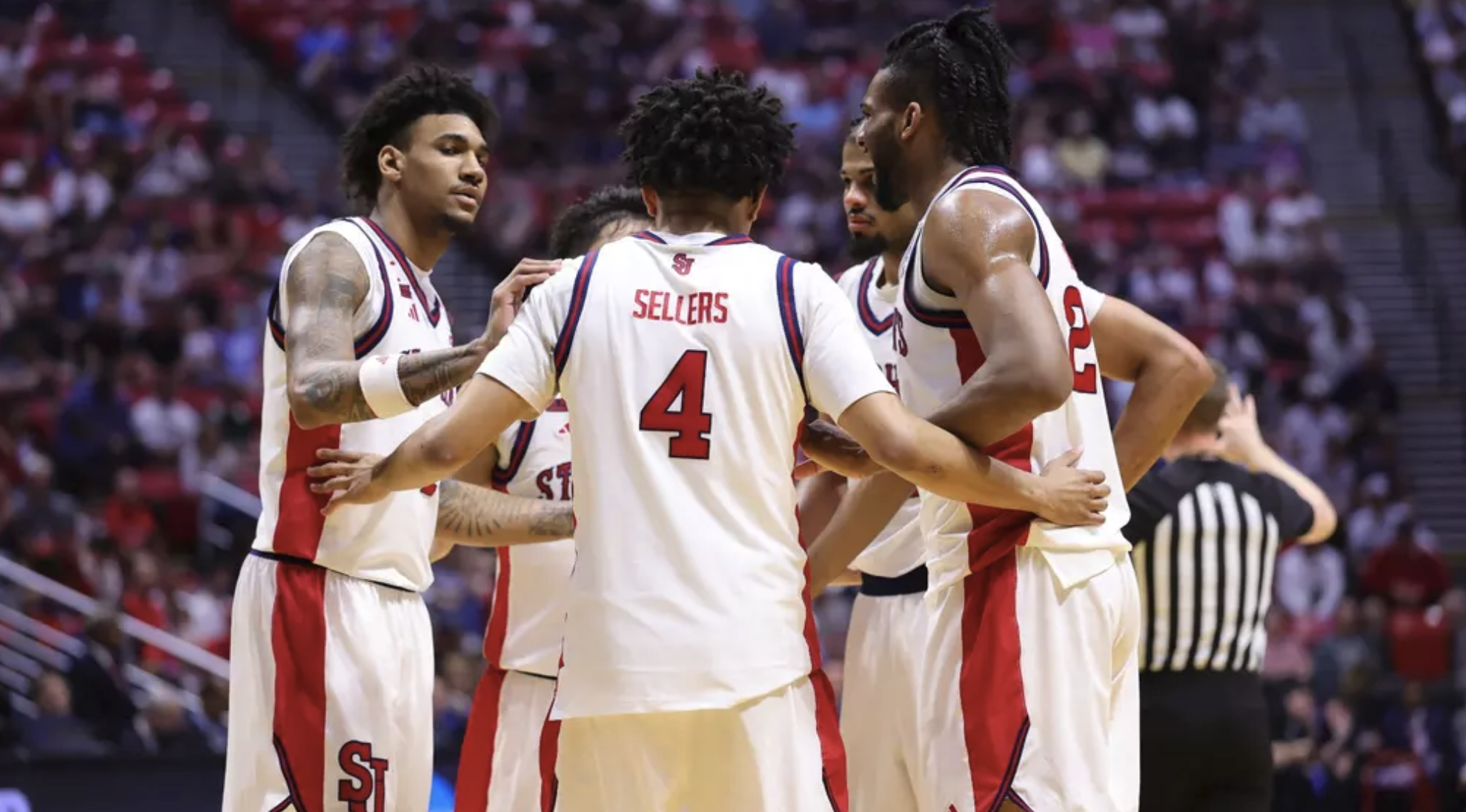
Meanwhile, a previously discussed St. John’s national championship and New York Knicks NBA Finals parlay tickethas continued to rise in perceived value after St. John’s defeated Kansas to advance into the Sweet 16. As tournament volatility increases, combined futures positions like this one are drawing additional attention from bettors seeking upside tied to New York-area championship optimism.
As March basketball fever builds in New York, fans of St. John’s basketball, the New York Knicks, and passionate sports bettors alike are beginning to dream about a historic championship run. With Madison Square Garden once again at the center of the story, optimism is fueled by the resurgence of the Red Storm under Rick Pitino and the Knicks’ playoff push led by Jalen Brunson. This essay explores the emotional pull of New York hoops nostalgia, the rising championship odds, and the excitement surrounding a potential Knicks–St. John’s title parlay.
BY MATTY D.
An Essay that Imagines a St. John’s and New York Knicks Championship Year
There’s something magical about both St. John’s and the New York Knicks being relevant as spring begins.
The snow thaws…and the salt needs to be swept so that we can get these black sneakers in some pavement!
Growing up in New York State during the 1990s, there were the Johnny’s Felipe Lopez years aligned with Patrick Ewing’s crew.
I’m still not over how my Knicks didn’t pick Ron Artest in the draft.
The Emerald City. “The World’s Most Famous Arena.”
Now, as Rick Pitino of all people is gracing the sidelines in style for St John’s, this storyline has some major juice.
This next chapter features a New York Knicks team led by Jalen Brunson and a cast of players that continues to show signs of its depth.
This version of the Red Storm, also runs deep and is also led by the blue collar energy of Zuby. True fans are already looking at what pick the Knicks have in the draft so that we can get this guy.
Madison Square Garden, the site of some of the most memorable games in St John’s basketball history… could it also be this season’s home for the NBA Finals for its full time tenant?
An MSG parlay of a Knicks St John’s combo future – both to win a championship – started at 98–1 at the end of February. Now this joint ticket is 62-1.
Stay tuned to collegebasketballeyetest.com where this ticket might be available for sale, soon.
Collegebasketballeyetest.com blogger Matty D. started March Madness on a roll with his picks against the spread going 12-2 on Thursday, and here he shares his picks for Friday.
Sports Betting Picks for Friday in the NCAA Men’s College Basketball Tournament
BY MATTY D.
Will Underdogs Continue to Cover on Friday after Competing All Day Thursday?
Every year I remind fellow college basketball fans how good underdogs always cover the first half spread. That’s one of the top 5 rules to always follow when betting March Madness on a budget.
Please watch and subscribe to this video on our YouTube channel!
On Thursday, high seed underdogs Howard, McNeese, Penn, High Point, and Siena all covered the first half spreads. For Friday, I can see much of the same thing happening.
Predicted Teams to Cover First Half, Game Spread on Friday: Furman +20.5 California Baptist +14.5 Queens +24.5 Akron +7.5 Tennessee State +24.5
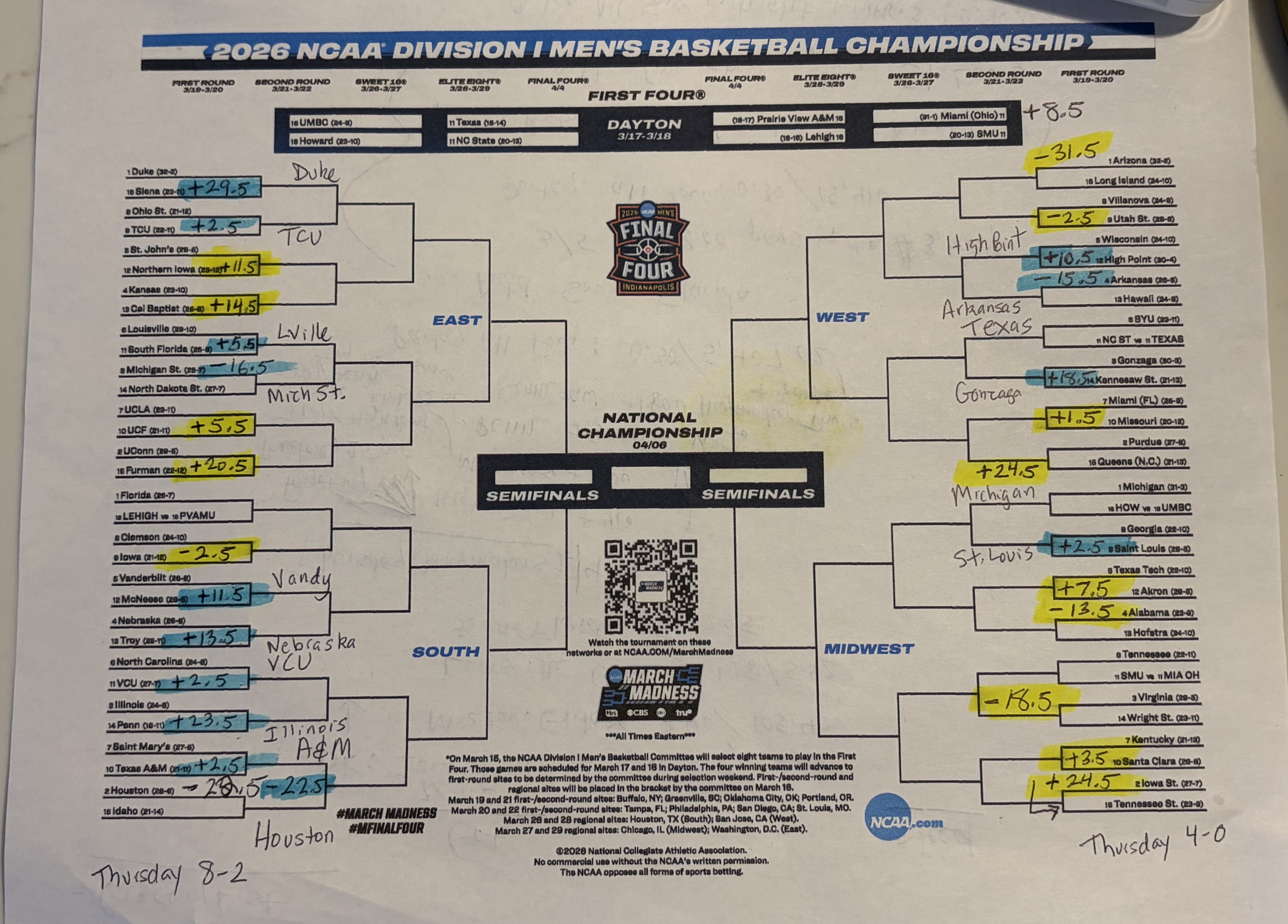
This photo was tweeted shortly after Selection Sunday, showing all of the against the spread picks for Thursday and Friday. Thursday is highlighted in blue and Friday yellow.
Does the Big 12’s Dominance Get Bigger and More Obvious After Friday?
With Duke, and even at times Michigan, struggling against high seeds in the first game of the NCAA Tournament, Big 12 teams like Houston, Iowa State, and Arizona have a chance to show us the separation their conference commands this season. With no clear obvious national contender registering a wire to wire thoroughbred sprint to victory on Thursday, the futures values tickets bought on Wednesday look much better. Having a High Point team beat Wisconsin outright doesn’t hurt. High Point will now play Arkansas, one of my top 10 futures values going into this tournament at 50-1 to win it all.
Click here to read my top 10 Cinderella Super Sleeper teams to Win March Madness:
Not listed in that article is my actual favorite future bet right now, which is not a “Cinderella” pick. Buying into the Big 12 at 2-1 to win a national championship feels like a steal considering how Arizona and Iowa State have manageable paths to the Final Four. TCU even won on Thursday, giving that futures weaponry another bullet.
Thanks for reading along and good luck in the tournament!
After a historic college basketball regular season filled with perhaps the most talented freshman class ever, here are picks against the spread for each region of March Madness for the NCAA Men’s Basketball Tournament.
BY MATTY D.
CollegeBaketballEyeTest.com Reveals Entire Bracket on Twitter
As the nation weighs in on who they think will be the biggest underdogs to make a run in March Madness 2026, Collegebasketballeyetest.com author Matty D. has already released his full bracket of choices on Twitter.
I continue to look away from national “pundits.” My track record over the years is pretty good.
The South Region Shows the Highest Potential for Madness
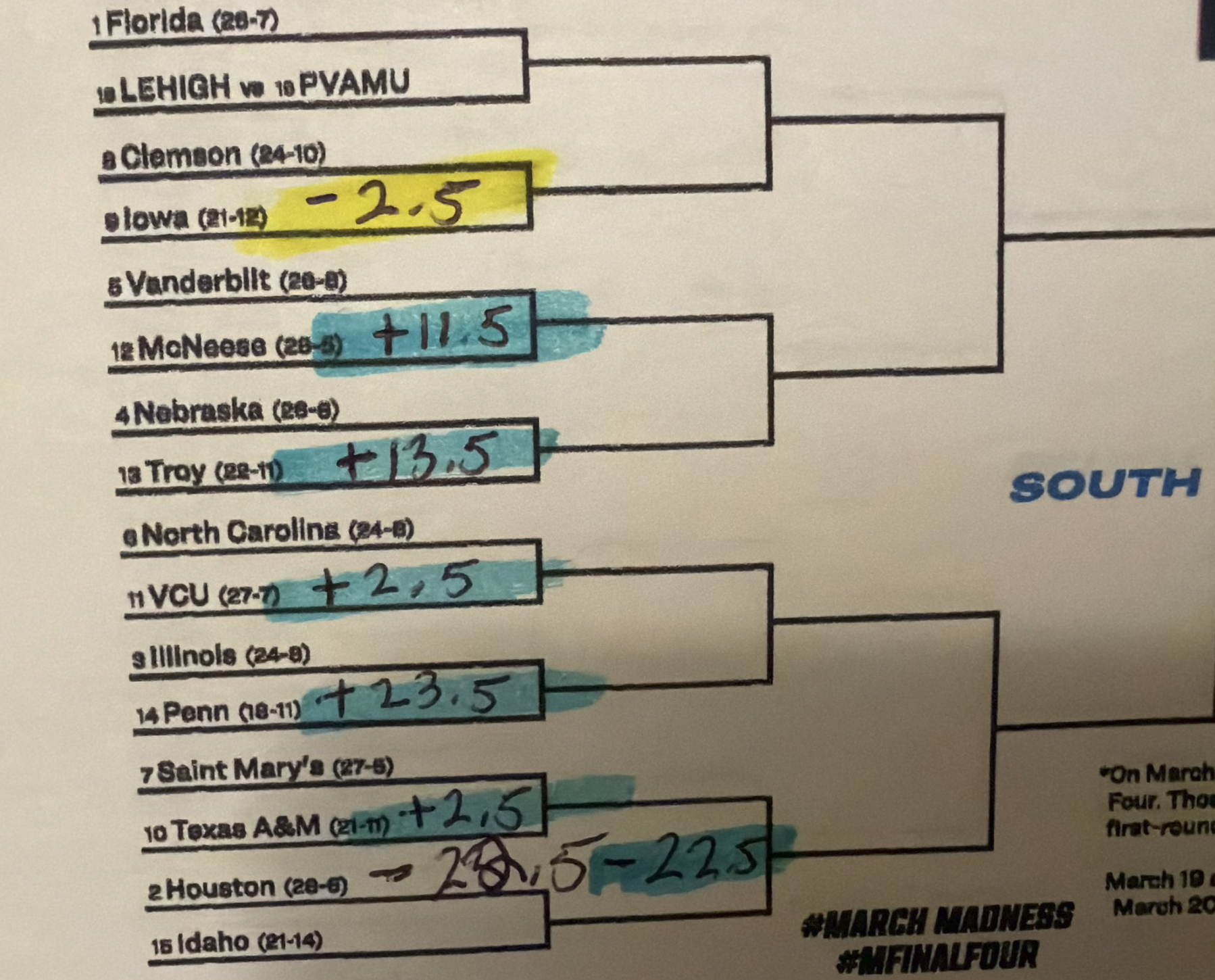
The South Region offers a wide spectrum of point-spread opportunities, and CollegeBasketballEyeTest.com blogger Matty D. has identified several spots where the number itself creates betting value. In the Friday slate, Matty D. likes Iowa laying 2.5 points against Clemson, believing the Hawkeyes are positioned to clear the modest spread in that matchup.
Thursday’s board presents a deeper collection of underdog tickets. Matty D. is backing McNeese plus 11.5 points against Vanderbilt, viewing the double-digit cushion as a worthwhile investment. He is also taking Troy plus 13.5 against Nebraska, grabbing what he sees as one of the larger leverage spreads on the opening round card. In another early game, Matty D. likes VCU plus 2.5 points against North Carolina, siding with the Rams as short underdogs.
Further down the bracket, Matty D. is supporting Penn plus 23.5 against Illinois, locking in a substantial number that could create late-game cover potential. He is also taking Texas A&M plus 2.5 against Saint Mary’s, stepping in on the Aggies as a slight underdog in what projects as a competitive contest. Finally, Matty D. is laying the points with Houston at minus 22.5 against Idaho, trusting the Cougars to handle business against an overmatched first-round opponent.
These selections reflect a philosophy centered on spread value rather than bracket advancement projections. By targeting numbers that offer leverage relative to public perception and seeding expectations, Matty D. approaches the South Region as a collection of individual betting markets rather than a single elimination puzzle.
Field of 32 Update: Four Super-Sleeper Tickets Still Breathing
With the NCAA Tournament trimmed from the Field of 68 to the surviving 32 teams, five of the original “Cinderella haymaker” futures remain alive: Utah State, St. John’s, Texas, Nebraska, and Arkansas. The national-title betting market has tightened accordingly, with Arkansas now hovering in the roughly +5000 range, while St. John’s has drifted into the long-shot tier around +8000 at major sportsbooks as the bracket pressure intensifies.
Utah State continues to represent classic mid-major upside — a disciplined, veteran roster capable of stringing together upset wins in a wide-open region. Texas, meanwhile, carries the profile of a dangerous power-conference survivor: athletic, battle-tested, and still flying slightly under the radar compared to No. 1-seed headline contenders.
The Nebraska Cornhuskers are also alive. They and their opponent, the Vanderbilt Commodores, each contain some value with a price around the 60-1 to 80-1 territory as they try to knock each other out.
Arkansas stands as the most actionable ticket remaining, combining elite guard play with SEC-level physicality that translates well into second-weekend matchups. St. John’s offers the emotional upside of Madison Square Garden energy and Rick Pitino’s tournament pedigree — the kind of narrative fuel that can ignite belief among fans and bettors alike.
At this stage, the value proposition is simple: five live tickets, five different paths to chaos — and a bracket that suddenly feels more open than expected.
Continue reading to see the top 10 that was listed when the 2026 NCAA Men’s College Basketball Tournament began…
Oddsmakers Overlooking these Underdogs as the NCAA Basketball Tourney Begins
If you’re searching for March Madness sleeper picks, NCAA bracket tips, or long-shot teams that could bust your office pool wide open, this breakdown is designed to give you an edge. After watching a full season of college basketball matchups, momentum swings, and injury storylines, I’ve identified five potential Cinderella contenders priced at 60-to-1 odds or longer to win the national championship.
This article lays out the logic behind each pick, using visual scouting, late-season trends, and tournament-style matchup projections to help casual fans and bracket enthusiasts spot undervalued teams before the Madness truly begins.
This is the second edition of this article. A 5-pack of picks was expanded to 10 teams after four of the original picks found themselves in the West Region. In addition to sheer math making it impossible all four teams would make a run to the Sweet 16, those teams also landed in the same region with Arizona on Selection Sunday. Arizona is my pick to win it all. Still, there’s value in these sleepers.
For a printable bracket for March Madness 2026, click here, then see this top 10…
Troy Trojans (500-1 for Final 4) – Sleeper No. 10
Social media and TV producers alike will love this team. If you want a fun story to hitch your wagon to, learn more about the brothers “The Red Mambas.”
McNeese Cowboys (500-1 for Final 4) – Sleeper No. 9
There’s an opportunity cost of not taking McNeese State. Vanderbilt has completely overachieved this season and they should be commended for brining the program back from a rough stretch.
However, McNeese State still passes the eye test despite losing coach Will Wade. They reloaded not only with a few returning players from last year’s field of 32 participants, but they hit the lottery when landing freshman Larry Johnson. He has been one of the most productive freshmen in the nation, in a year where that says a lot, averaging 17.5 per game. McNeese State will not be afraid to play against an SEC opponent and the Commodores need to bring their A+ game to win this one.
It’s important to shop around for future values, especially in this super Cinderella territory. The odds will differ dramatically. For example, McNeese is a 300-1 long-shot to reach a Final Four on DraftKings. On FanDuel, they are a much better price at 500-1 for that same outcome.
Nebraska Cornhuskers (150-1) — Sleeper No. 8
Kicking off this countdown of March Madness sleeper candidates is Nebraska, a team that has quietly built momentum through disciplined shot selection and improved defensive toughness late in the season. The Cornhuskers have shown the ability to dictate tempo in structured half-court settings, a valuable trait in tournament basketball where possessions tighten. When perimeter confidence aligns with physical rebounding effort, Nebraska becomes a far more dangerous matchup than its odds suggest. As the fifth-ranked sleeper on this list, Nebraska represents a battle-tested Big Ten roster capable of disrupting early-round expectations.
Futures tickets on the secondary market at PropSwap for Nebraska were seen around the 155-1 territory on St. Patrick’s Day.
St. John’s Red Storm (80-1) – Sleeper No. 7
I actually like a team that could play them in the Elite 8 (see below), but any chance to grab head coach Rick Pitino at this price is too good to pass up.
Texas Longhorns (400-1) — Sleeper No. 6
Chendall Weaver and the Texas Longhorns might not be a “sleeper” anymore after bursting on the scene in primetime during a play-in game. Weaver showed an incredible spark off the bench as NC State wasn’t able to keep the pace with the Longhorn’s workaholic ways. 7-0 sophomore big man Matas Vokietaitis showed off the perfect footwork down low and the Longhorns might just be the latest in a string of 11 seeds to go on a Sweet 16 run after competing in the play-in game.
California Baptist (2,000-1) — Sleeper No. 5
California Baptist has one of the best 5 scorers in the nation and is playing a team that has been very shaky down the stretch. Another lesson we’ve learned from recent tournament scripts is that when teams show us who they are (being a worsening team)… believe them.
Missouri Tigers (200-1) — Sleeper No. 4
Next in this sleeper countdown is Missouri, whose profile centers on interior efficiency and late-game composure. The Tigers feature multiple frontcourt contributors who finish effectively in the paint while also drawing fouls at a steady rate. That physical presence gives Missouri a path to control tempo against more perimeter-oriented opponents. Defensive length and rebounding stability further enhance their upset potential in grind-it-out matchups. As the fourth-ranked sleeper, Missouri offers a blend of size and toughness that could translate into bracket volatility.
As this countdown narrows toward the top overall value pick, Arkansas emerges as the most explosive high-major sleeper on the board. Freshman point guard Darius Acuff Jr. has repeatedly demonstrated the ability to take over games with confident shot creation and fearless late-clock scoring. That kind of dynamic guard play is often the defining ingredient in deep March runs. Arkansas also shows improving defensive intensity and transition scoring upside, traits that can fuel multiple upset wins. Positioned as the No. 2 sleeper in this ranking, the Razorbacks offer star-driven volatility at attractive long-shot odds.
The Razorbacks were 60-1 on Selection Sunday morning before winning the SEC title and moving to 50-1 on both FanDuel and DraftKings.
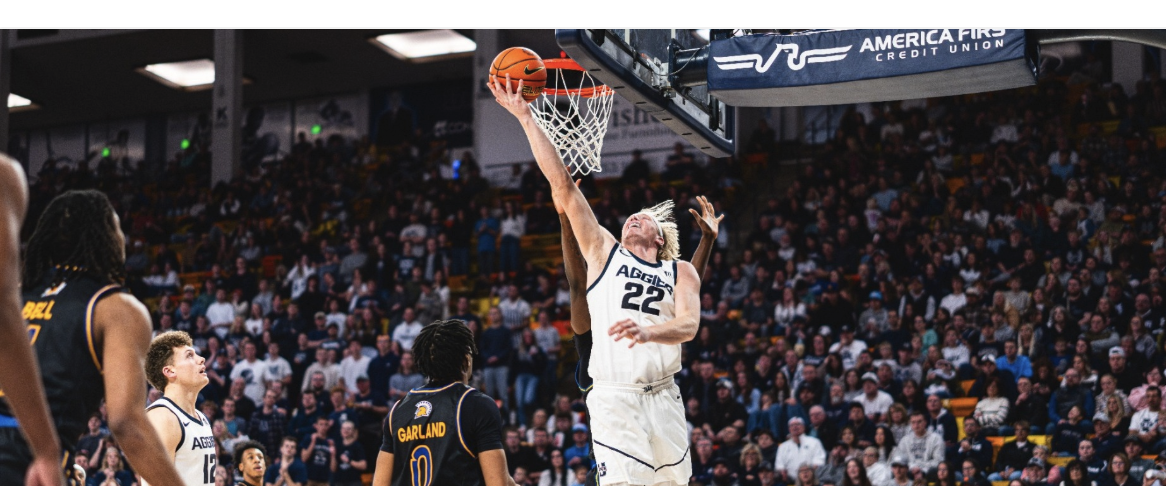
Utah State Aggies (200-1) — Sleeper No. 2 Overall Value
Finishing this sleeper countdown at the top spot is Utah State, whose toughness, cohesion, and competitive edge make them the most intriguing long-shot championship value on the board. The Aggies consistently display urgency on loose balls and defensive rotations, characteristics that translate well to neutral-floor tournament play. Their offensive rhythm and efficient scoring stretches suggest a team capable of sustaining momentum across multiple rounds. Notably, Utah State was briefly spotted at 500-to-1 on FanDuel Sportsbook on Selection Sunday, a rare market discount that underscores how quickly sleeper perception can shift. As the No. 1 value pick in this countdown, the Aggies combine effort, chemistry, and price to form a classic Cinderella profile.
🐶 Utah State is loaded with dogs who want it!!! Aztecs are a tourney team too. Look at this effort 👀 pic.twitter.com/VtetQ2Ehdt
South Florida Bulls (125-1 for a Final Four) — Sleeper No. 1
At the midpoint of this countdown sits South Florida, one of the nation’s most statistically intriguing sleeper teams because of its elite offensive rebounding production. The Bulls consistently generate second-chance opportunities, allowing them to remain competitive even during cold shooting stretches. That relentless effort on the glass also forces foul trouble and disrupts rhythm for higher-seeded opponents. Teams that create extra possessions naturally increase tournament variance — the lifeblood of Cinderella runs. Ranked third on this sleeper list, USF brings energy and physicality that can drag favorites into uncomfortable games.
Each March, the NCAA Tournament introduces college basketball fans to a new group of mid-major champions who earned automatic bids by winning their conference tournaments. This blog article will evaluate the visual “eye test” qualities of each mid-major team that secured a place in the 2026 Men’s College Basketball Tournament bracket, focusing on those who punched their ticket prior to Gonzaga.
While Gonzaga appears on this conference outline, the program is widely regarded as a national power despite competing in a traditionally weaker conference structure. The goal of this article is to provide quick-hit visual scouting impressions of these mid-major qualifiers.
BY MATTY D.
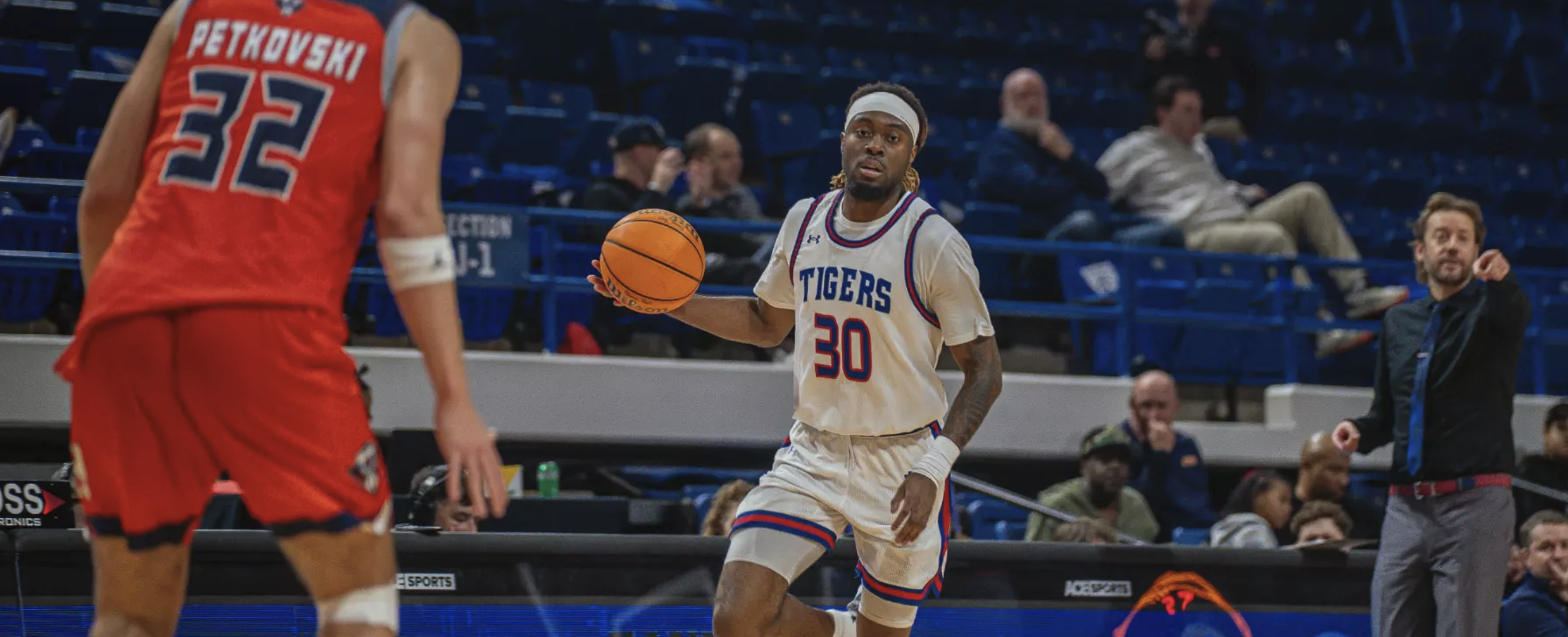
Tennessee State Jumps Off the Page when Comparing Hype to the Eye Test
One of the first teams to punch their tickets to the 2026 Men’s College Basketball Tournament could be one of the most dangerous and dramatic upset candidates in the entire tourney. If you like riding underdogs on your bracket, you may enjoy how this team’s entry will be old news by the time Selection Sunday gets sorted out.
Guard Aaron Nkrumah absolutely jumps off the page. Or, should I say, he jumps off the TV screen with athleticism. The bouncy 6-6 senior scored 14 points in the championship win against Morehead State, but it was actually noteworthy that the Tigers enjoyed five players scoring in the teens during that game. This is on par with how Tennessee State has been finishing up its regular season. Since losing its last time this season to Morehead State, the Tigers have been beating teams by an average of 18 points, including two lopsided wins of 27 and 26 points against SIUE and Morehead State, respectively.
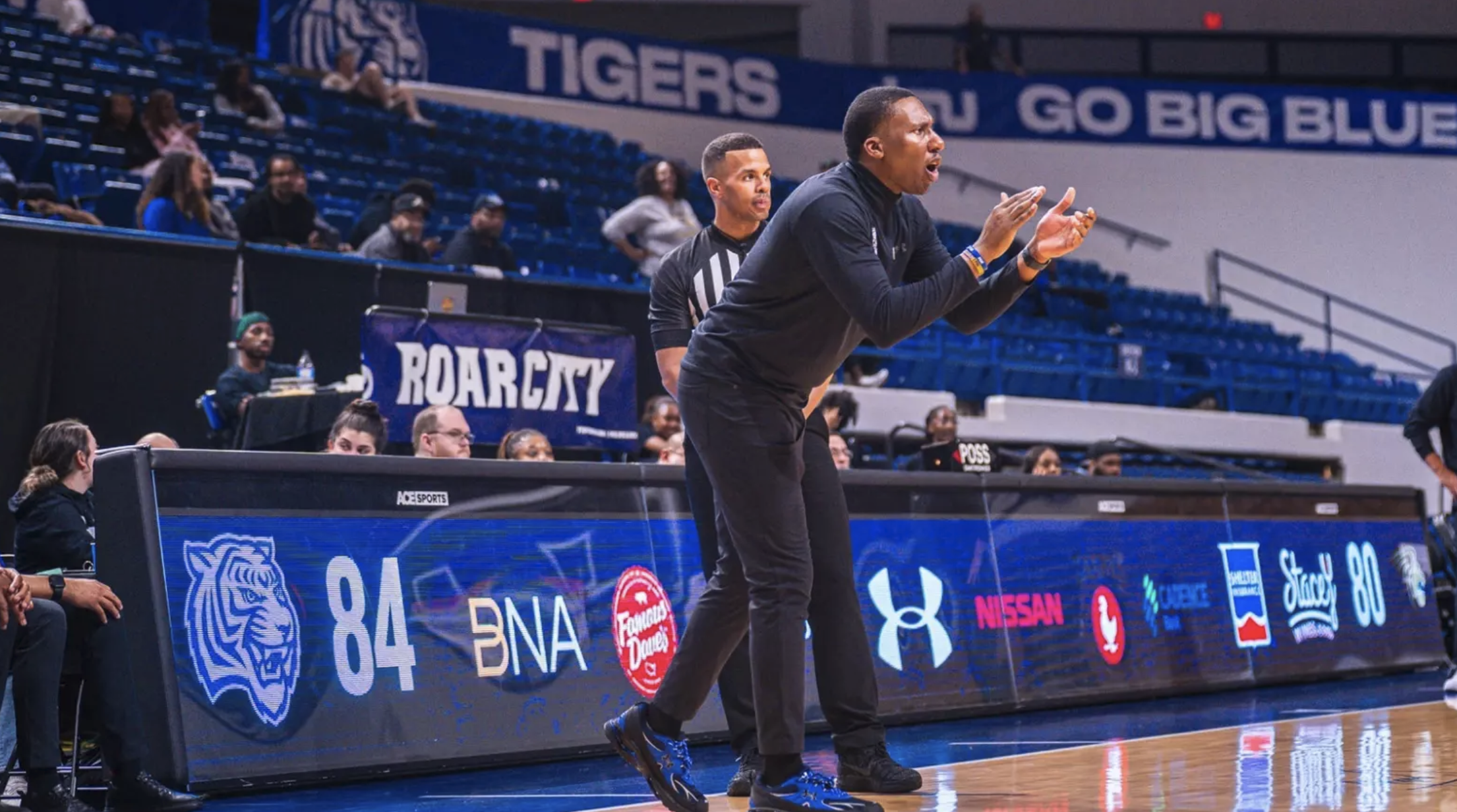
If you needed any more reasons to like Tennessee State as a sleeper team, consider its head coach. This past summer, former 4-year starting Duke point guard Nolan Smith was announced at the Tigers head coach. This, after serving as an assistant with Memphis and Louisville.
“Smith spent his entire playing career at Duke under Hall of Fame coach Mike Krzyzewski, widely regarded as one of the greatest coaches in college basketball history. That experience helped shape Smith’s foundation as a tactician, motivator, and leader.”
Seniority “On Brand” as UNI Finds the Field Once Again
In this age of NIL, it’s hard to find examples of seniority thriving in college basketball.
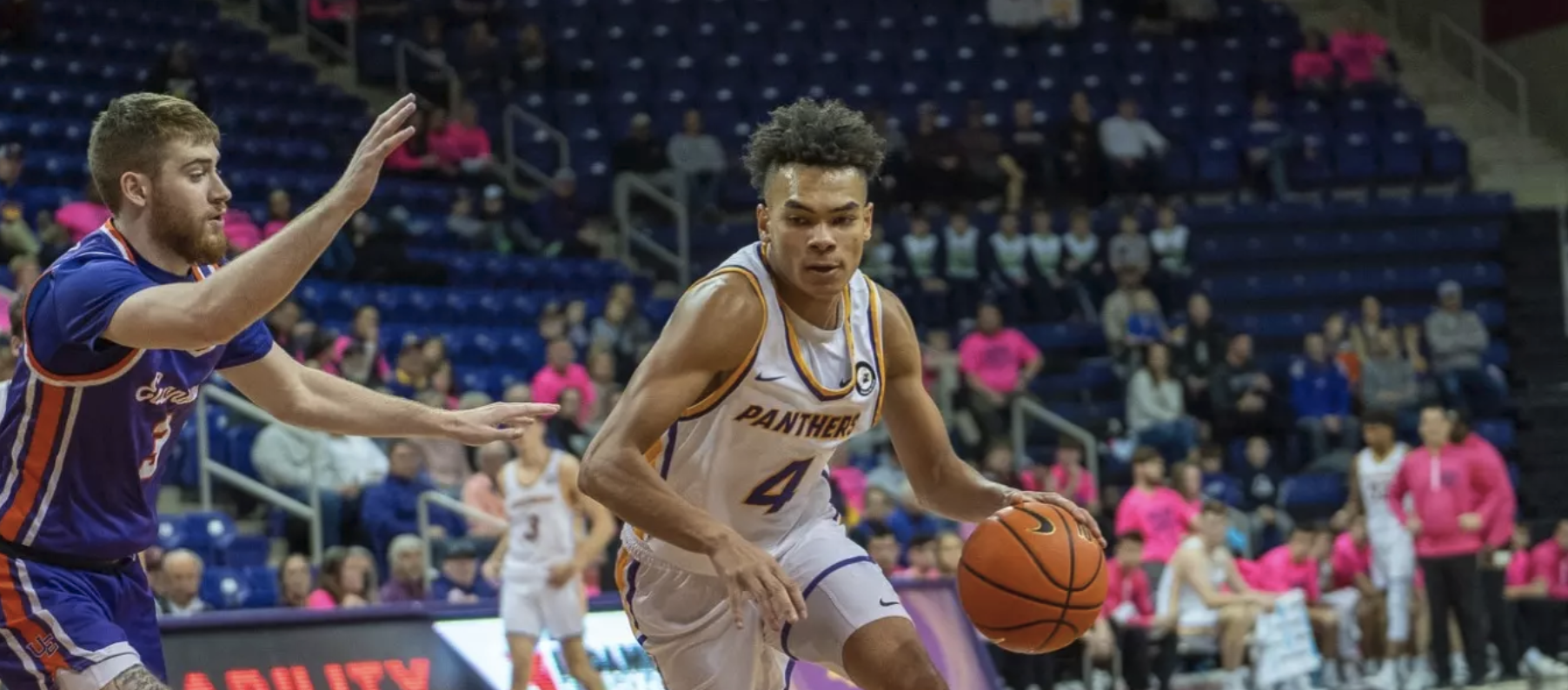
Yet, there’s a perfect example of hard work paying off in the Missouri Valley Conference. The University of Northern Iowa is led by 4-year senior guard Trey Campbell, who also led an Iowa high school team to a state championship.
Of course, it wouldn’t be “on brand” to say that UNI is a one man show. Campbell leads the team with 13 points per game, but has four other teammates averaging around double digits.
Northern Iowa also has seniority when it comes to its long tenured head coach. Ben Jacobson has been at the helm for the Panthers since 2006.
Furman Finds Itself As Another Fiesty 6 Seed to Fight Its Way Into the Tournament
Ironically, both the Furman Paladins and that Northern Iowa Panthers teams are making it into the tournament as former 6 seeds in their own conferences.
Furman is a well-put-together roster with capable athletes everywhere. Led by a true freshman in Alex Wilkins, he has brothers Cooper and Cole Bowser attacking the rim at his side.
Not only do UNI and Furman share similarities as 6 seeds to win their conference championship, but they also squared off earlier this season in non-conference play.
Former Syracuse Fan Favorite Fanning the Flames of Upstate New York Revival
If you live in New York, you might be happy to hear that three of the first 11 teams to make the NCAA Tournament are from the Empire State. Upstate New York may have been hopeful of a rejuvenation of Syracuse basketball with Carmelo Anthony’s son playing for the orange and blue.
However, it’s another former Syracuse Orange player who is making a splash.
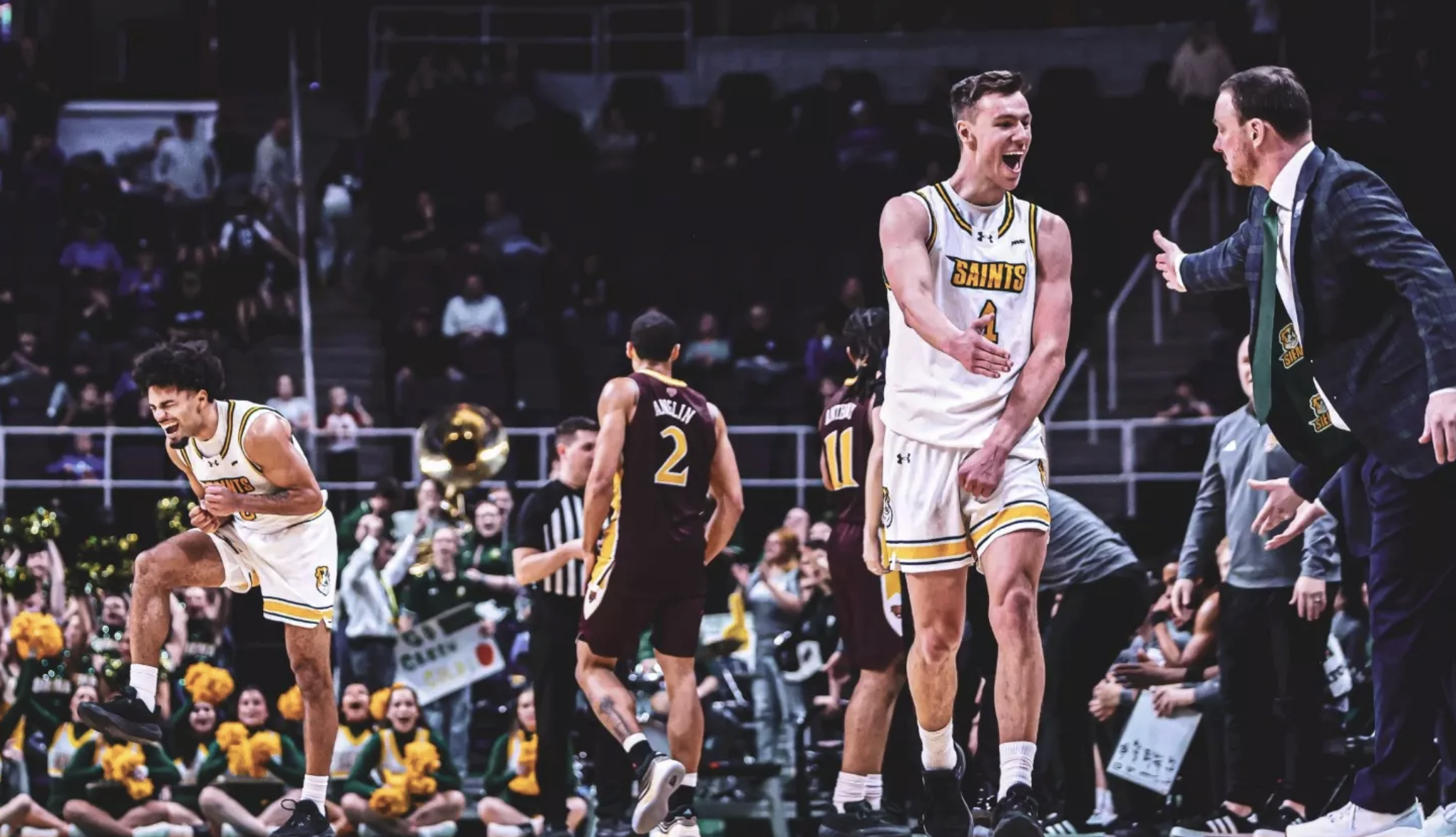
Syracuse cult hero Gerry McNamara, aka “G-Mac” has led another Upstate New York program to prominence. You’ll remember Gerry McNamara as the starting point guard on the 2001 Syracuse Orange championship team. Now, the Siena Saints of the capital region will return to the NCAA Men’s Basketball Tournament with McNamara as their head coach.
Siena Saints head coach Gerry McNamara courtesy SienaSaints.com Potographer Josh Miller
True to the script of how the universe is unfolding as it should, McNamara’s Saints are led by another gritty undersized under-recruited combo guard from Upstate New York. Gavin Doty of Fulton, NY is averaging 18 points for the Saints in his sophomore season. Siena was dominating Merrimack in the MAC Championship game in the first half before they had to fend off a more serious run.
What Else You Should Know about the First 10 Teams to Make March Madness 2026
As the bracket continues to take shape, six additional mid-major champions who punched their tickets before Gonzaga deserve at least a quick closing nod. Queens (N.C.) arrives from the ASUN with one of the nation’s most aggressive transition attacks, routinely pushing tempo behind dynamic guard play. High Point leaned on a prolific perimeter scoring profile during its Big South title run, spacing the floor with multiple double-figure shooters. Wright State brings a physically imposing interior presence that has powered one of the Horizon League’s most efficient paint-scoring units. Long Island surged late with disruptive on-ball pressure that fueled a top-tier steal rate in Northeast Conference play. And North Dakota State, long respected for disciplined execution, once again showcased a methodical half-court offense that finished near the top of the Summit League in shooting efficiency — a reminder that even in a tournament defined by chaos, structure and shot-making still travel well when the lights get brightest. Hofstra returns to March Madness with a reputation for elite ball security, consistently ranking among conference leaders in assist-to-turnover efficiency.
Underdog Reads Continue to Deliver Betting Value as Season ATS Record Stays Profitable
The final tune-up before the NCAA Tournament could not have gone much better, as the Suspect Spreads card closed the regular season with a 7–2 performance against the spread. That strong finish pushed the overall campaign further into profitable territory, bringing the cumulative season mark to 44–35 ATS, a solid clip above the traditional break-even point. The late surge reinforces the broader season-long trend of successfully identifying competitive underdogs and short-number spreads, providing added confidence as the focus now shifts from regular-season edges to the unique volatility of March Madness.
The NIL has brought a new era of college basketball. Freshmen took over the 2025-2026 season. A few key injuries also added to the volatile nature of the season. These betting-market dynamics have repeatedly created opportunities for sharp reads on competitive teams catching short numbers. In those environments, CollegeBasketballEyeTest.com author Matty D. repeatedly spots live dogs who can outperform expectations, reinforcing the broader edge demonstrated throughout the season.
Zooming out to the broader body of work, the selections continue to reflect a profitable overall profile. The updated full-season mark now stands at 44–35 against the spread, good for a 55.7% winning percentage, comfortably clearing the traditional break-even threshold in standard wagering markets. Perhaps more telling is how the strongest momentum developed during the late-January through mid-February window, when the card produced a 31–24 ATS surge. That sustained success highlights how matchup-driven evaluation and underdog identification can generate meaningful betting value as conference play intensifies and public perception struggles to keep pace with evolving team form.
The #SuspectSpreadsSaturday experiment has quietly remained profitable as the college basketball season has progressed.
College Basketball ATS Picks Cold in January, Warm Up in February
That success is even more notable considering how uneven the beginning of the season was. The very first week of picks on January 3rd produced a 5–7 ATS result, dropping the running season record to 9–15 after two weeks. The early cards leaned heavily toward favorites like Kansas, North Carolina, and Kentucky while mixing in a few underdogs such as Auburn and Missouri. The results were volatile, but the week did produce several correct reads including Auburn, Houston, Iowa, Purdue, and Missouri covering their numbers.
The following week on January 10th continued the experimental phase. The handwritten card included Tennessee +4.5, UConn -19.5, Houston -2.5, LSU +13.5, Iowa State -18.5, Arizona -6.5, and Texas Tech -6.5. After comparing those picks with the game results from that Saturday slate, the card finished approximately 4–3 ATS, with Tennessee, Houston, Arizona, and Texas Tech providing covers while the larger favorites such as UConn and Iowa State struggled to justify the heavy numbers. That week provided an early hint of what would become a recurring pattern: moderate spreads and competitive underdogs were more reliable than laying big numbers with national contenders.
Once the calendar flipped deeper into conference play, the results began to stabilize. From January 17 onward, the cards produced a 31–24 ATS run, highlighted by a 7–2 week on January 24th and a 5–2 week on February 21st. One particularly encouraging trend has been success with two-possession underdogs in the +3.5 to +6.5 range. Teams such as Minnesota (+4.5), North Carolina (+6.5), Illinois (+5.5), Baylor (+6.5), Tennessee (+3.5), Arizona (+5.5), and USC (+4.5) frequently fell into this window. Those plays represented a meaningful portion of the winning selections, suggesting that the approach is effectively identifying spots where the betting market slightly overrates favorites in competitive matchups.
Another subtle trend is that the picks have performed best when fading momentum or brand-name bias surrounding major programs. Underdogs like Ole Miss, Illinois, and Minnesota produced several of the most profitable covers, while weeks with heavier favorite exposure — such as the 3–6 card most recently — tended to produce the most volatility. Still, the broader trajectory remains encouraging. After beginning the season below .500, the mid-season correction to a 56% ATS clip since January 17th suggests the Suspect Spreads Saturday strategy is trending upward just as the college basketball calendar approaches conference tournaments and March Madness, where betting markets historically become even more inefficient.
Oddsmakers Face a Tricky Puzzle Entering Conference Tournament Week
No one is ever going to feel badly for the sportsbook, but they do have a tricky dilemma headed into conference championship week. Some of the Power Five’s best teams might have players nursing injuries or doing load management. On the flip side, you have teams at the bottom of the league that are incredibly desperate to win the conference tournament and punch their ticket to March Madness. Creating the odds in this landscape is most certainly a challenging exercise.
Conference tournament week is often where March Madness sleepers emerge, especially when desperate teams collide with favorites managing injuries or tired legs.
A team like UConn might be an obvious minus-150 moneyline favorite to win its league in the Big East. However, there could always be a team lurking around 80-to-1 that suddenly becomes very dangerous. Here are a few sleeper teams for conference championship week when everything is on the line.
Could the Running Rebels Bring Vegas High Wire Act Into the Big Dance?
My #1 Sleeper Pick — Because the Odds Payout Could Be Huge
With Cincinatti losing to (8 seed in the Big 12) UCF on Wednesday, only one more team is running away with my fantasies of super underdoggery.
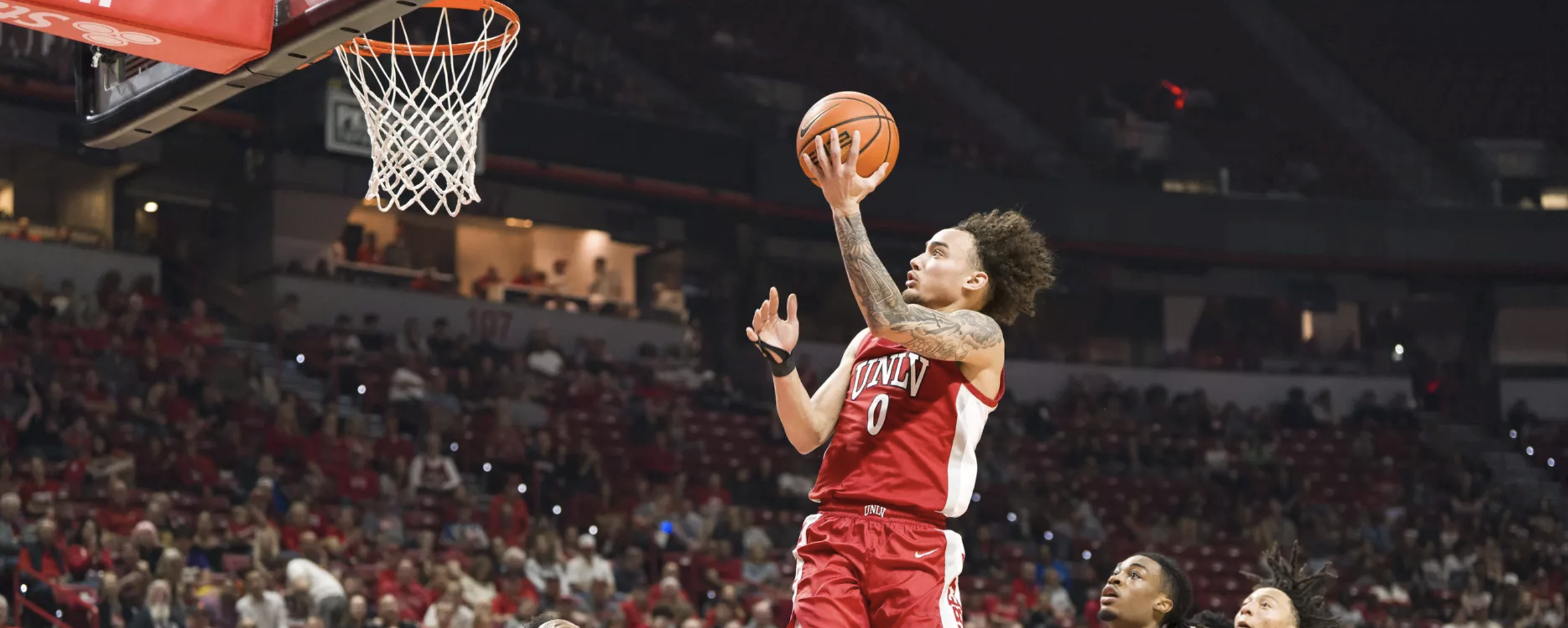
UNLV is staying true to its form as the entertainment capital of the country with how the Running Rebels are entertaining college basketball fans in the closing weeks of the season.
They have a leading scorer in Dra Gibbs-Laworn who dropped 42 points in an overtime win against Nevada. They also won a thrilling matchup against Boise State after coming back from more than 25 points. Not long after that, UNLV absolutely crushed Utah State, which is a no-doubt NCAA Tournament team.
With that kind of momentum and scoring ability, the Rebels could be a dangerous sleeper if they carry that energy into conference tournament play. According to the eye test, UNLV is clearly one of the March Madness sleepers to watch if they can string together a few wins in their conference tournament.
Could Stanford’s Quietly Improving Season Turn Into an ACC Tournament Surprise?
Could Red-Hot Colorado State Carry Its Late-Season Momentum Into the Mountain West Tournament?
My #2 Sleeper Pick
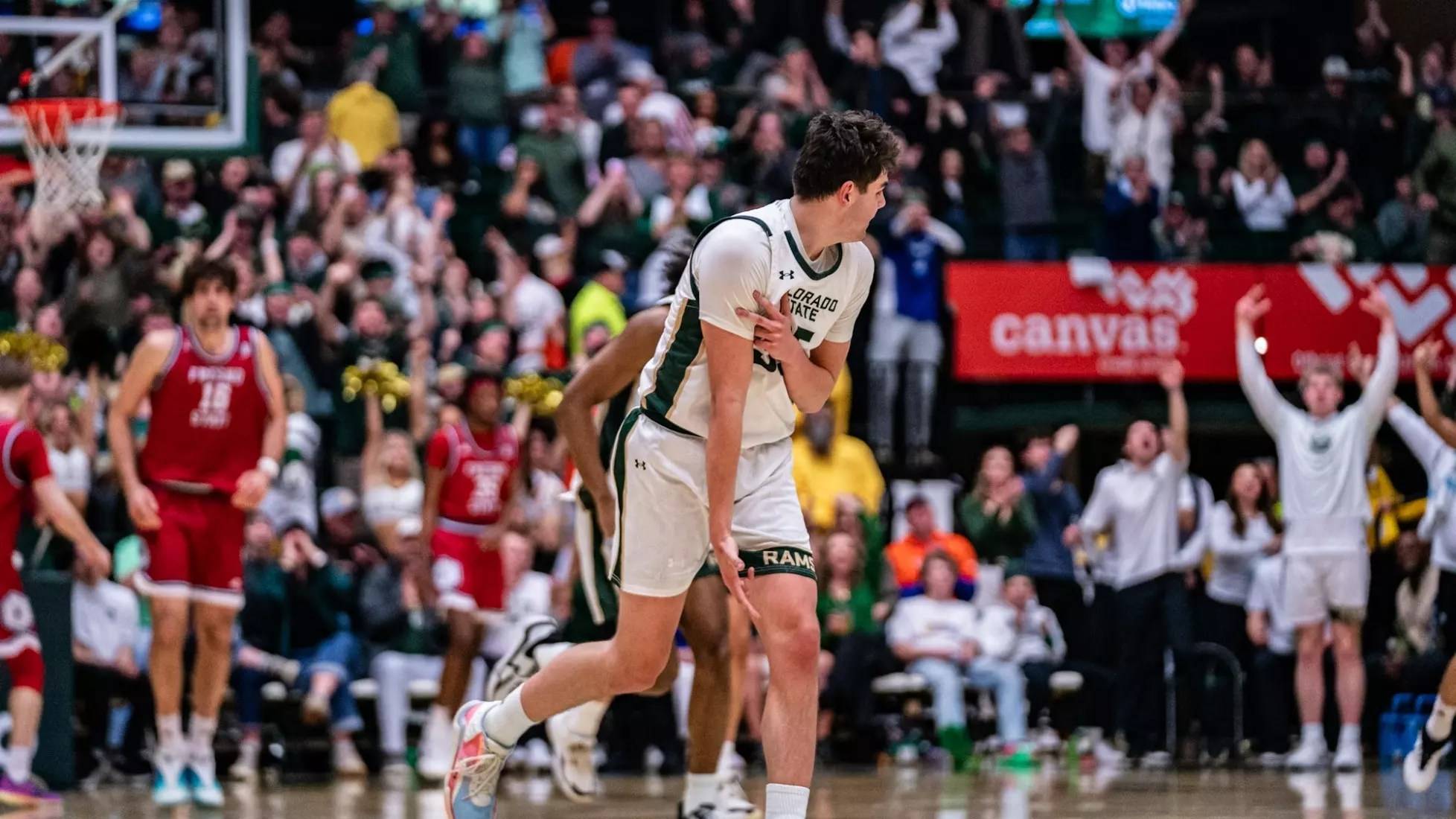
Another team that has been heating up late in the season is Colorado State. The Rams struggled earlier in the year and at one point started the season just 3-8 before finding their rhythm.
Since that slow start, Colorado State has quietly been one of the hotter teams in its league, going on an impressive run and winning the majority of its games down the stretch. The Rams have been able to win with balanced scoring and efficient shooting, and they have shown they can beat quality teams in the Mountain West. Center Kyle Jorgensen is one of many players who have returned from injury and are playing with upbeat swagger.
That type of late-season momentum can be dangerous in a conference tournament setting. If you’re looking at conference tournament predictions, Colorado State is the type of team that could surprise people if their recent form continues.
Could Northwestern’s Gritty Wildcats Turn Close Calls Into a Tournament Run?
Teams That Could Shake Up Conference Tournament Week
Prior to a championship week starting with very disappointing performances by the so-called bubble teams, ironically the two remaining bid stealers were from the Mountain West.
On this article, I had previously written how, “conference tournament week is always chaotic.”
History shows that several surprise teams reach the NCAA Tournament every year. Cincinnati, UNLV, Stanford, Colorado State and Northwestern all have recent momentum or roster advantages that could make them dangerous in a single-elimination setting.
If even one of these teams catches the right matchups and continues its late-season form, the road to March Madness could suddenly look very different.